Overheating in the UK: Simple Solutions to a Surprising Problem
Is it possible to overheat in a country known for lots of rain? Many of us don’t think of overheating as a particular problem here in Old Blighty. But it’s a rising problem. Here’s why:
Global warming could be part of the problem. Rising temperatures could be causing overheating.
Building design is skewed towards staying hot, not keeping cool.
But does it matter? Let’s get into the real problems with overheating and what you might do about it.
The Growing Risk of Overheating
The UK’s average temperature has gone up in the past few decades. Not by much, but it means the hot days are much hotter. Check out how many heat records have been broken per year according to the BBC:
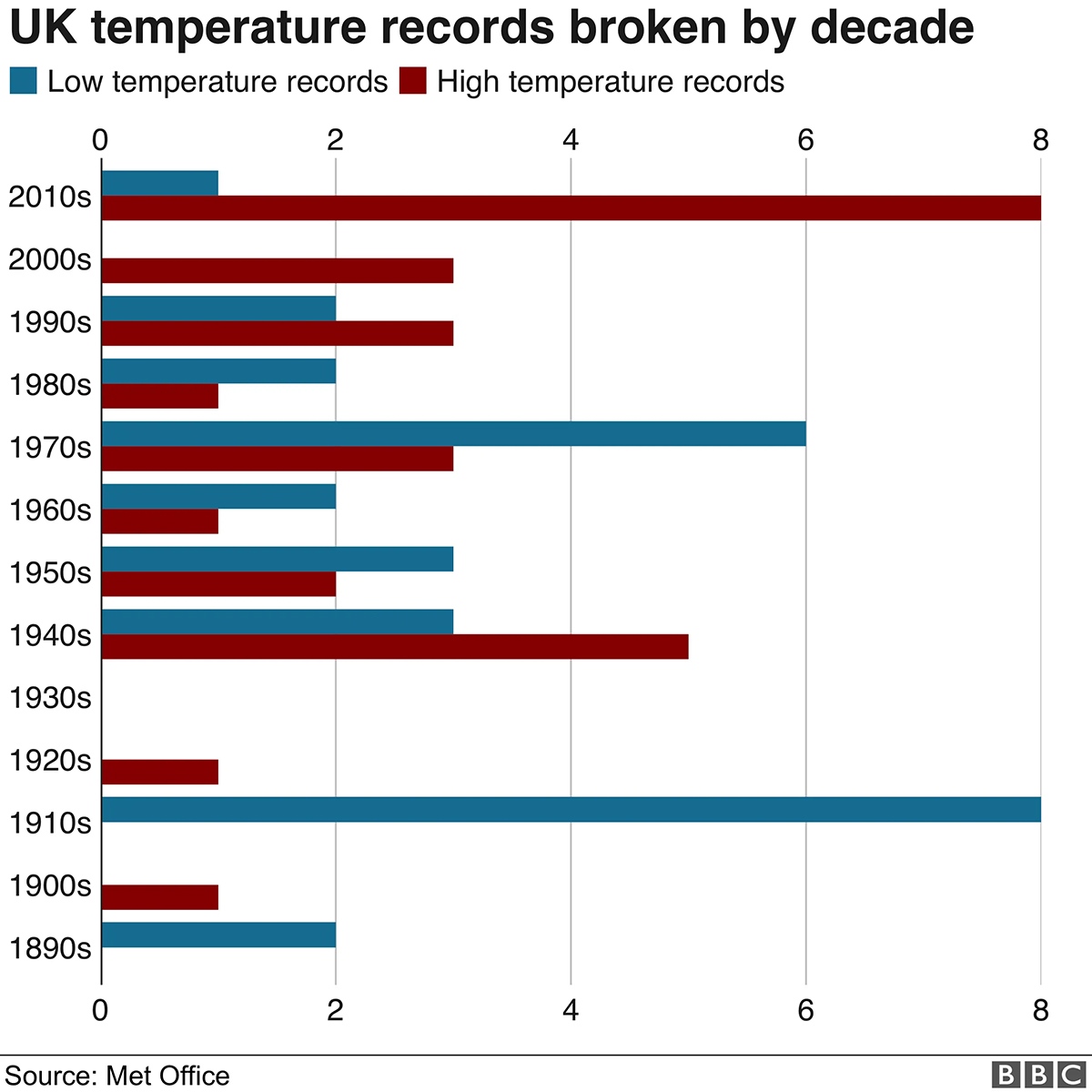
This chart shows us that the hot days are much hotter than before.
The BBSA did research on this. Their article on overheating says:
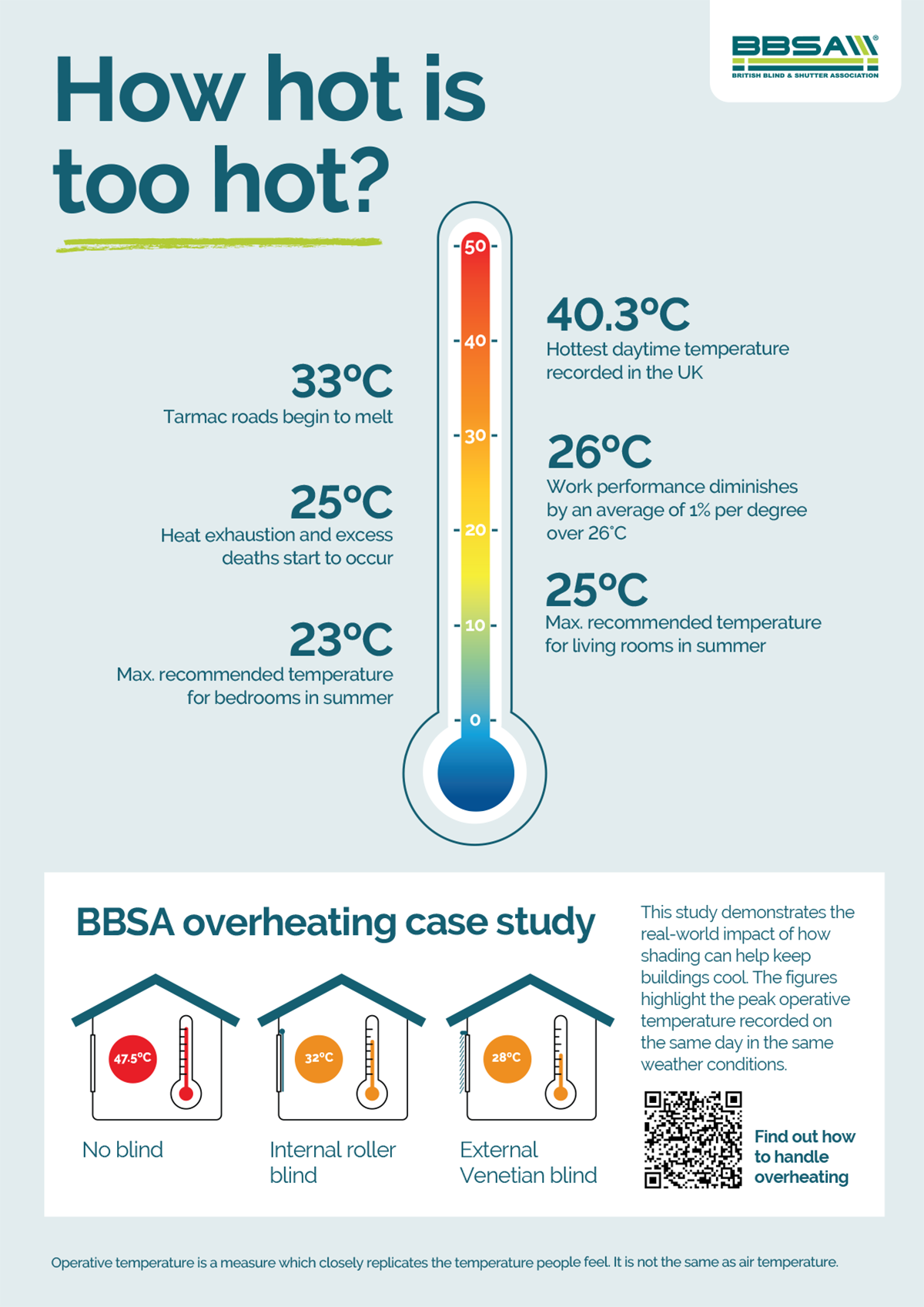
“Research commissioned by the BBSA on a block of London flats, showed that the temperature (we feel) reached a scorching 47.5°C in rooms without shading.
Rooms which had external blinds reached a maximum of just 28°C, a 41% reduction.
Those with internal blinds closed peaked at 32°C. which is still too hot but the apartments in the research had limited ventilation to help remove the heat built up in the apartment during the day.”
Overheating causes specific problems:
Heat-related Illnesses: Prolonged exposure to high temperatures can lead to heat exhaustion and potentially fatal heat stroke.
Vulnerable Populations: The elderly, young children, and those with pre-existing health conditions are particularly at risk during periods of extreme heat.
Sleep Disruption: High nighttime temperatures can interfere with sleep quality, leading to fatigue and reduced cognitive function.
Respiratory Issues: Overheating can exacerbate respiratory problems, particularly in urban areas where air pollution levels may also be higher.
The solutions for overheating are not complicated. Most of them have been around in principle for hundreds of years.
Before we get into these solutions, let’s take a look at the science of overheating.
The Science of Overheating
Why do buildings overheat, especially in a climate as mild as the UK's? The answer lies in the construction materials and design philosophies that prioritise winter warmth over summer cooling.
Understanding Heat Accumulation:
Insulation and Solar Gain: Modern buildings are designed to trap heat to reduce energy usage during cold months. However, these energy-efficient designs also inadvertently trap heat in the summer. Materials that provide excellent insulation against cold can, unfortunately, perform too well in the summer, leading to increased indoor temperatures.
Window Design and Placement: Large windows that enhance aesthetic appeal and natural lighting can become liabilities in a heatwave by allowing excessive solar radiation into the building. Without adequate shading or reflective treatments, this can lead to significant increases in indoor temperatures.
Ventilation Issues:
Air Circulation: Many modern buildings lack sufficient mechanisms for purging accumulated warm air. Without this capability, even mild external temperatures can feel excessively hot indoors.
Technological Solutions: While advanced solutions like automated blinds and smart thermostats can help regulate indoor climates, they are not yet commonplace. Their integration into building design is crucial for future-proofing homes against climate variability.
Material Considerations:
Thermal Mass vs. Lightweight Materials: Traditional buildings often used materials with high thermal mass like stone and brick, which absorb and slowly release heat, moderating indoor temperature fluctuations. In contrast, modern lightweight materials, while advantageous for energy efficiency and ease of construction, can exacerbate temperature swings due to their poor heat absorption capabilities.
How Blinds Help Beat the Heat
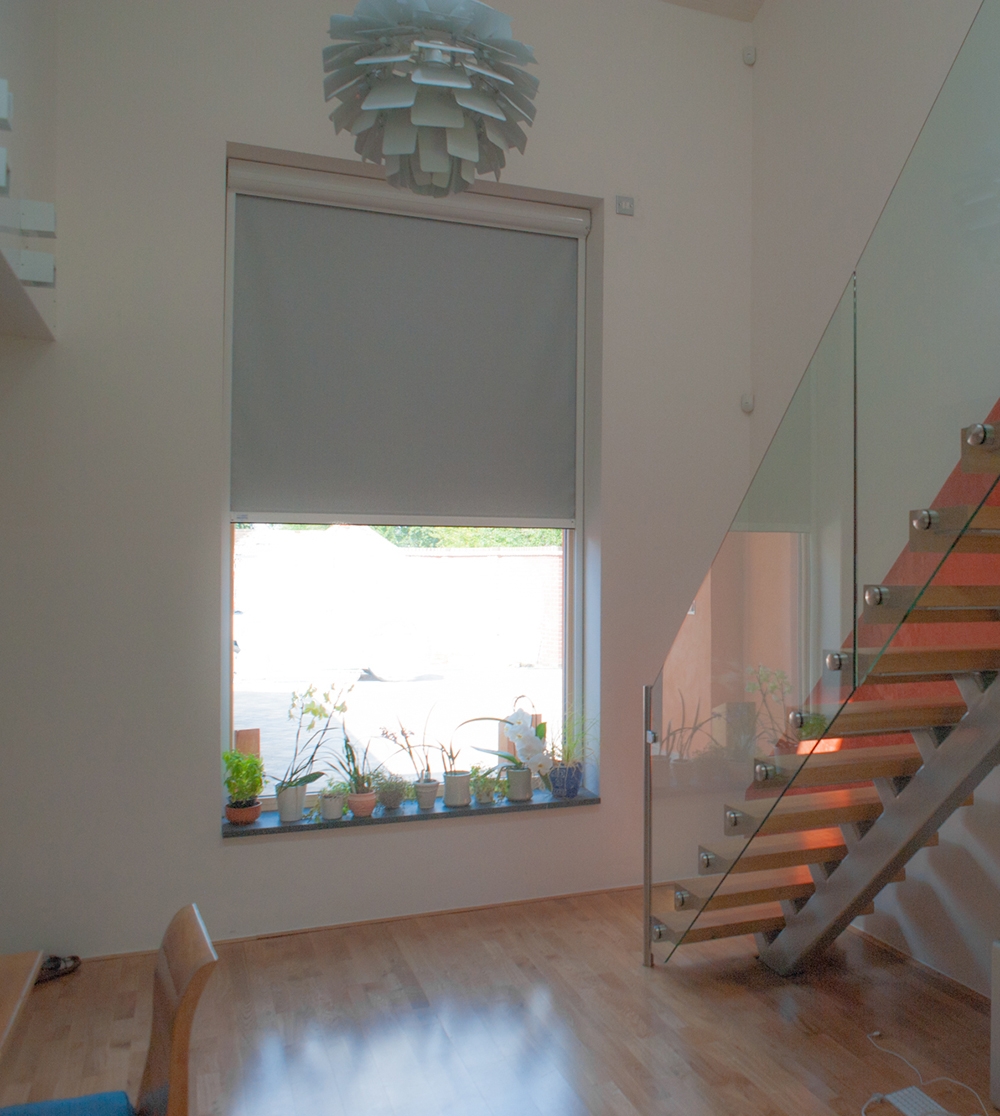
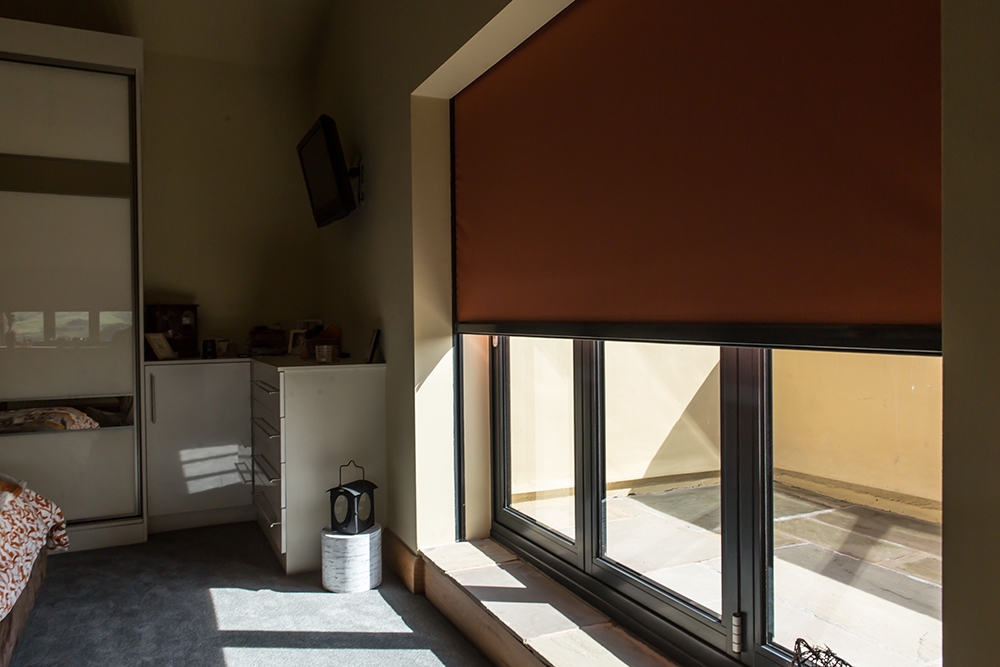
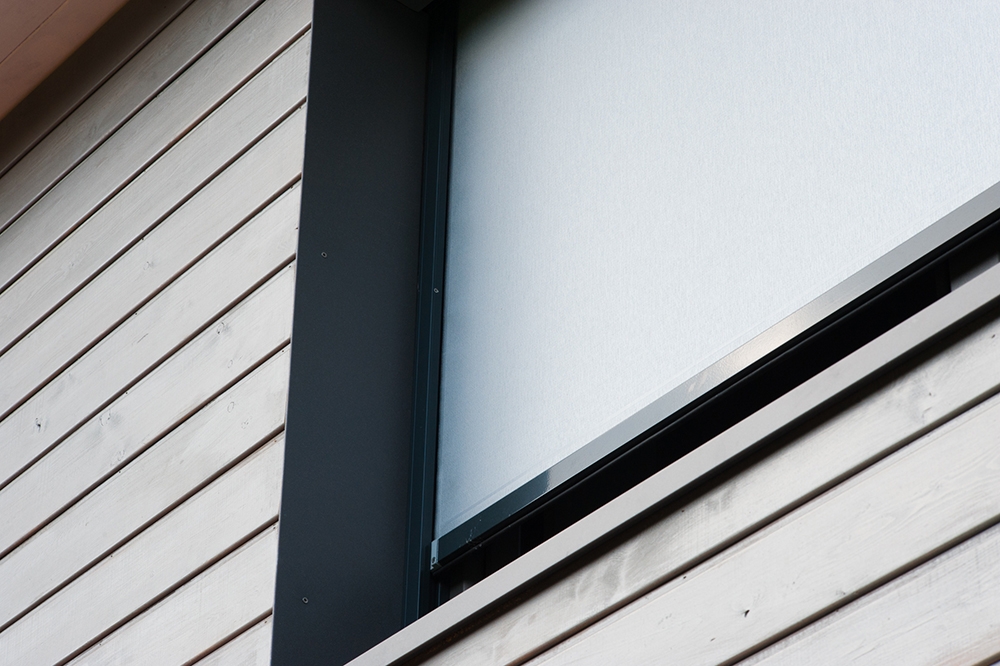
While numerous methods exist to cool homes and offices, blinds stand out for their efficiency and cost-effectiveness. Beyond adding aesthetic appeal, blinds play a pivotal role in temperature control, offering an eco-friendly alternative to traditional air conditioning systems.
Technical Explanation
Blinds address heat gain in two ways:
Blocking Direct Sunlight: By obstructing the sun's direct rays, blinds prevent heat accumulation inside the space.
Reflecting Solar Radiation: High-reflectivity materials in blinds send solar energy back outside, reducing the heat load indoors.
We measure heat gain and heat loss with a few numbers. Here’s a brief explanation of some of the terms you might see in the blind and awnings industry.
U-Value: Indicates insulation effectiveness. Blinds with a lower U-value better insulate against heat, keeping interiors cooler in the summer.
Solar Heat Gain Coefficient (SHGC): Measures how well a product can block heat from sunlight. Blinds with a lower SHGC are more effective at reducing solar heat gain.
Emissivity: Refers to a surface’s ability to emit absorbed energy. Low-emissivity blinds can significantly decrease heat absorption, maintaining cooler indoor temperatures.
Comparison with Other Solutions
Blinds offer a less energy-intensive solution compared to air conditioning. They require no energy to operate and maintain, which helps in reducing electricity bills and carbon emissions significantly.
Energy Savings: By diminishing the reliance on air conditioning, blinds can lower indoor temperatures by several degrees, leading to substantial reductions in energy use.
Sustainability: Blinds align with broader environmental goals by reducing the dependency on electrical cooling systems, thus minimising the overall carbon footprint.
Long-Term Investment: Investing in durable, low-maintenance blinds is cost-effective for long-term energy management, providing benefits without the ongoing costs associated with mechanical cooling systems.
Different Types of Blinds and Their Cooling Benefits
Of course, you can choose blinds in a huge variety of styles and options. There are four main styles we recommend.
Roller Blinds: Ideal for blocking direct sunlight, these can be fitted with reflective backings to enhance their heat-reducing capabilities.
Vertical Blinds: Allow adjustable light control, helping to manage heat without sacrificing natural light.
Venetian Blinds: Feature adjustable slats for precise control over light and heat entry.
Outdoor Blinds: Installed on the exterior of windows, they prevent heat from reaching the glass, greatly reducing heat gain.
Case Studies and Real-World Applications
Let’s get out of the theory and the technical details and into specific examples. Thankfully, there are organisations doing great research into the practical ways to reduce overheating.
The Salford Energy House Lab has provided concrete evidence on the effectiveness of blinds in residential settings. Their findings indicate that internal roller screens could reduce HVAC energy usage by up to 23%, demonstrating significant potential for energy savings and cost reduction in home environments.
Commercial Example
For commercial buildings, a study by the National Energy Foundation on a UK model office found that internal Venetian blinds can save up to 10% of HVAC energy. This highlights the practical benefits of blinds in reducing energy consumption in office settings, where controlling light and heat through dynamic shading solutions can lead to more sustainable energy management.
Recommended Solutions to Beat the Heat with James Robertshaw Products
When it comes to managing heat and enhancing comfort in your home or office, choosing the right shading solutions is crucial. Here are four excellent products from James Robertshaw that offer effective ways to reduce overheating while adding style and functionality to your spaces.
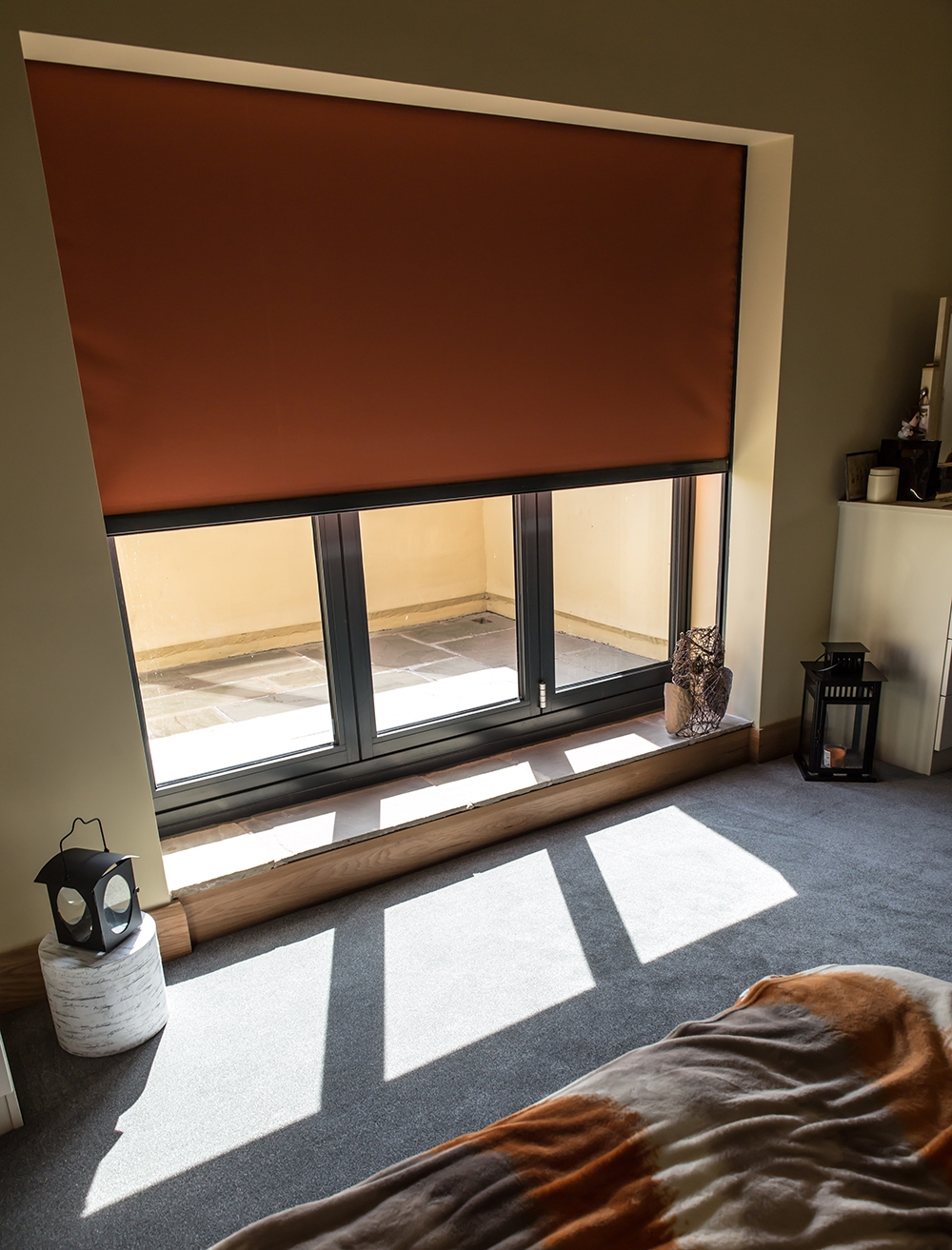
External Roller Blinds
External roller blinds are designed to block sunlight before it reaches your windows, reducing heat gain significantly.
Key Features:
Blocks up to 90% of solar radiation.
Durable, weather-resistant materials.
Motorised options for easy operation.
Ideal Installations:
Perfect for residential homes with large windows and commercial buildings looking to maintain cooler indoor temperatures while preserving outdoor views. These blinds are particularly effective for south-facing windows, where heat gain is highest.
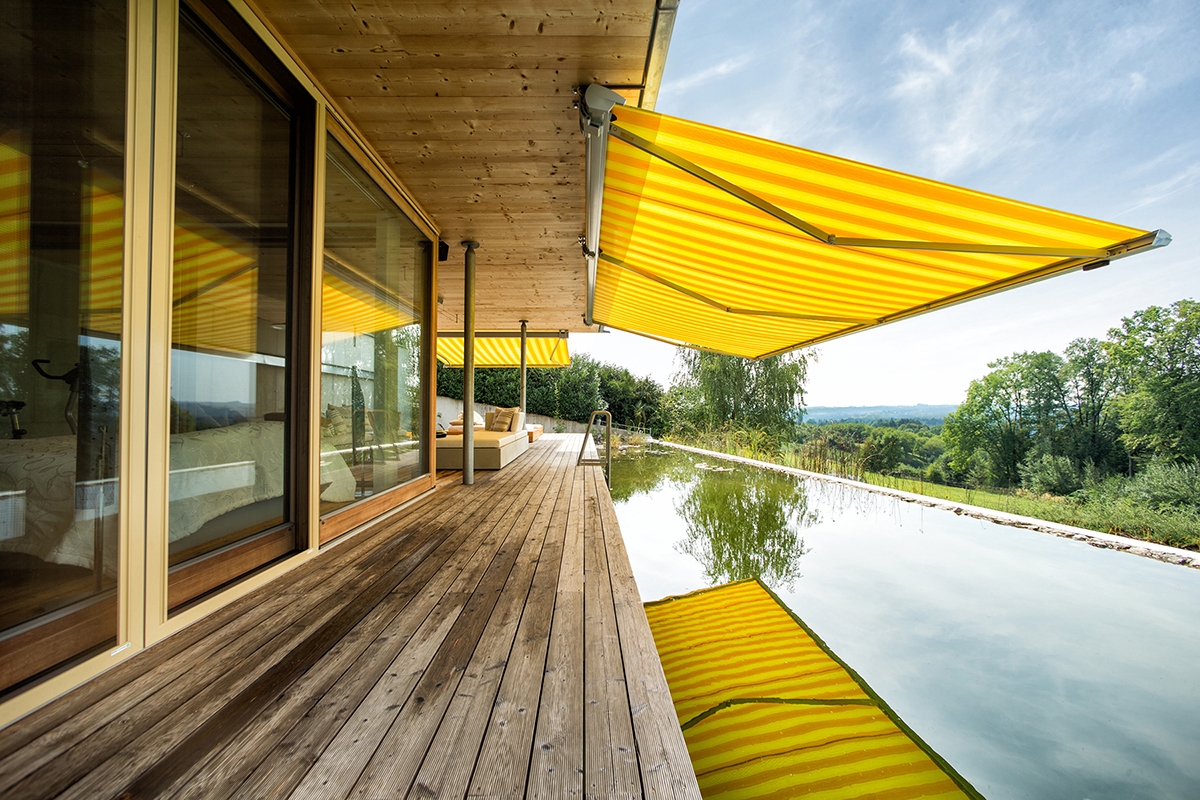
Folding Arm Awnings
Folding arm awnings provide flexible, retractable shade for outdoor areas, helping to keep adjacent interiors cooler.
Key Features:
Retractable design for adjustable shading.
Provides significant outdoor heat protection.
Available in various sizes and styles to suit different spaces.
Ideal Installations:
Ideal for patios, terraces, and outdoor seating areas in both homes and commercial settings. These awnings are excellent for creating comfortable, shaded outdoor spaces that extend the usability of external areas while reducing the need for indoor cooling.
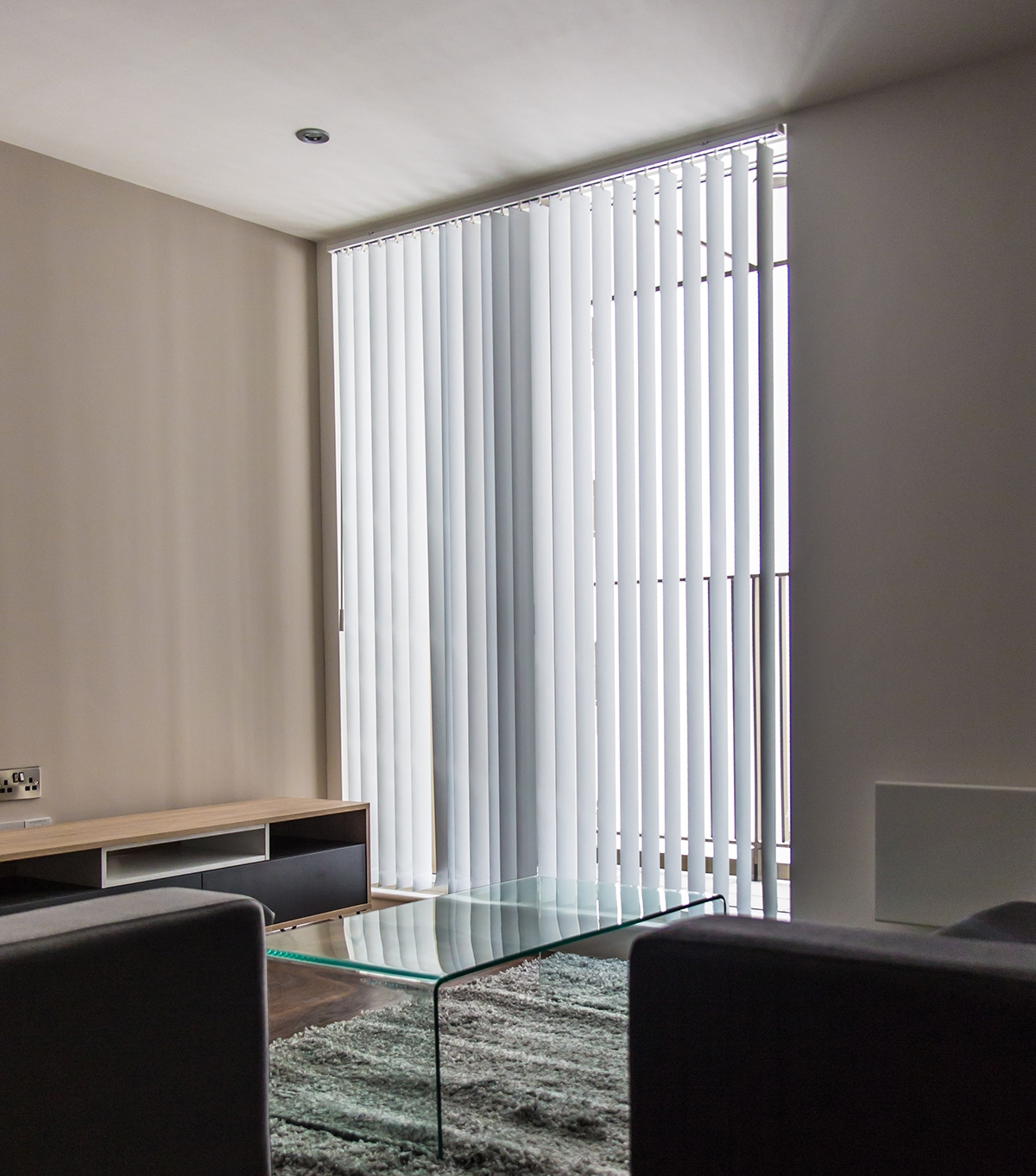
Vertical Louvre Blinds
Vertical louvre blinds offer precise control over light and heat, making them ideal for large windows and office spaces.
Key Features:
Adjustable slats for custom light control.
Blackout and flame-retardant options available.
Suitable for wide windows and bi-fold doors.
Ideal Installations:
These blinds are perfect for offices and living spaces with large windows, offering both privacy and heat control. They’re also great for healthcare settings where light management and hygiene are priorities.
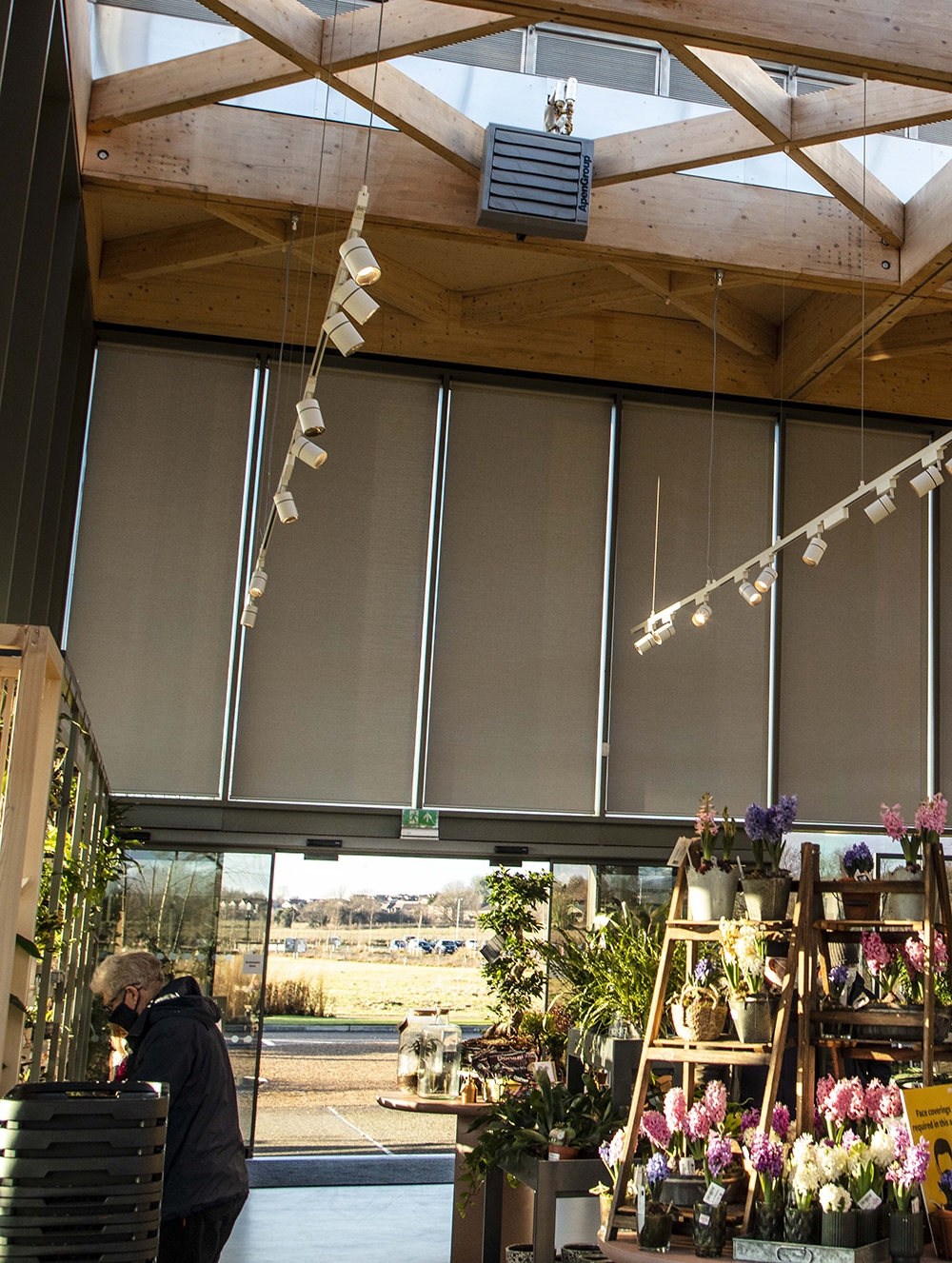
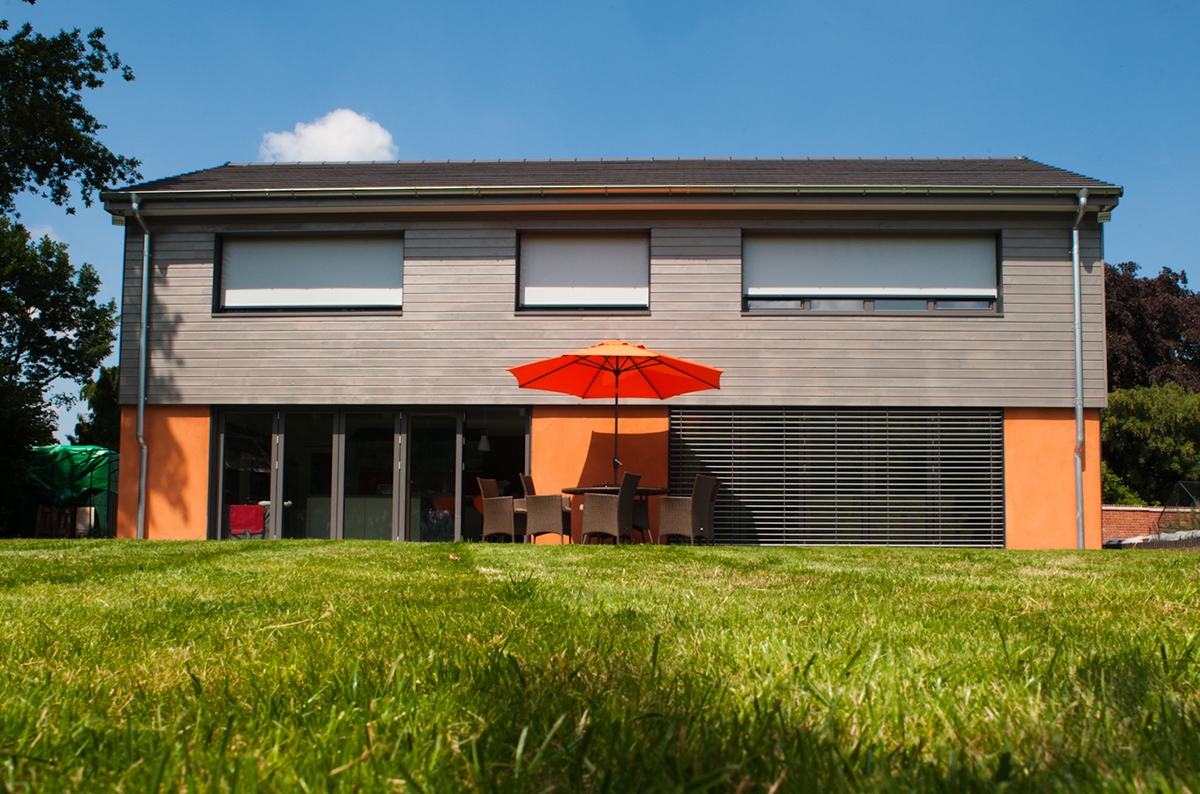
Indoor Roller Blinds
Indoor roller blinds provide sleek, modern shading solutions that help manage heat and glare inside your home or office.
Key Features:
Customizable materials for different light control needs.
Compact design that fits seamlessly with modern interiors.
Options for thermal and reflective coatings to reduce heat gain.
Ideal Installations:
Best suited for bedrooms, living rooms, and offices where maintaining a balance between natural light and temperature control is important. These blinds work well in both minimalist and contemporary spaces, offering an elegant solution to overheating.
By selecting the right product for your specific needs, you can significantly reduce the impact of overheating, enhance energy efficiency, and create a more comfortable environment in your home or office.
Partnering with James Robertshaw for Innovative Overheating Solutions
Managing heat in your home or office isn't just about comfort—it's about protecting your health, preserving energy, and maintaining a sustainable environment. The right shading solutions, such as blinds and awnings, play an important role in addressing the challenges of overheating.
James Robertshaw could be your trusted partner. We offer innovative, top-quality products designed to meet the unique needs of every space. With a commitment to craftsmanship and cutting-edge technology, James Robertshaw provides the perfect blend of style and functionality, ensuring that your environment remains cool, comfortable, and energy-efficient.