Commercial blinds: boost energy efficiency in the workplace
With UK commercial energy costs remaining stubbornly high and corporate net zero commitments intensifying, business leaders are searching for practical solutions that deliver measurable results. The answer often lies not in expensive building overhauls, but in addressing one of the most significant sources of energy waste: your windows. Commercial blinds represent far more than aesthetic additions to your workspace. When specified and installed correctly, they function as critical infrastructure that can slash heating and cooling costs, enhance employee wellbeing, and position your business as a genuine sustainability leader.
Research consistently demonstrates that windows account for up to 40% of a building's heating energy loss and up to 87% of its heat gain. For UK businesses facing both rising energy costs and the mounting pressure of environmental regulations like Part L (conservation of fuel and power) and Part O (overheating mitigation), investing in high-performance commercial blinds isn't just sensible, it's becoming essential.
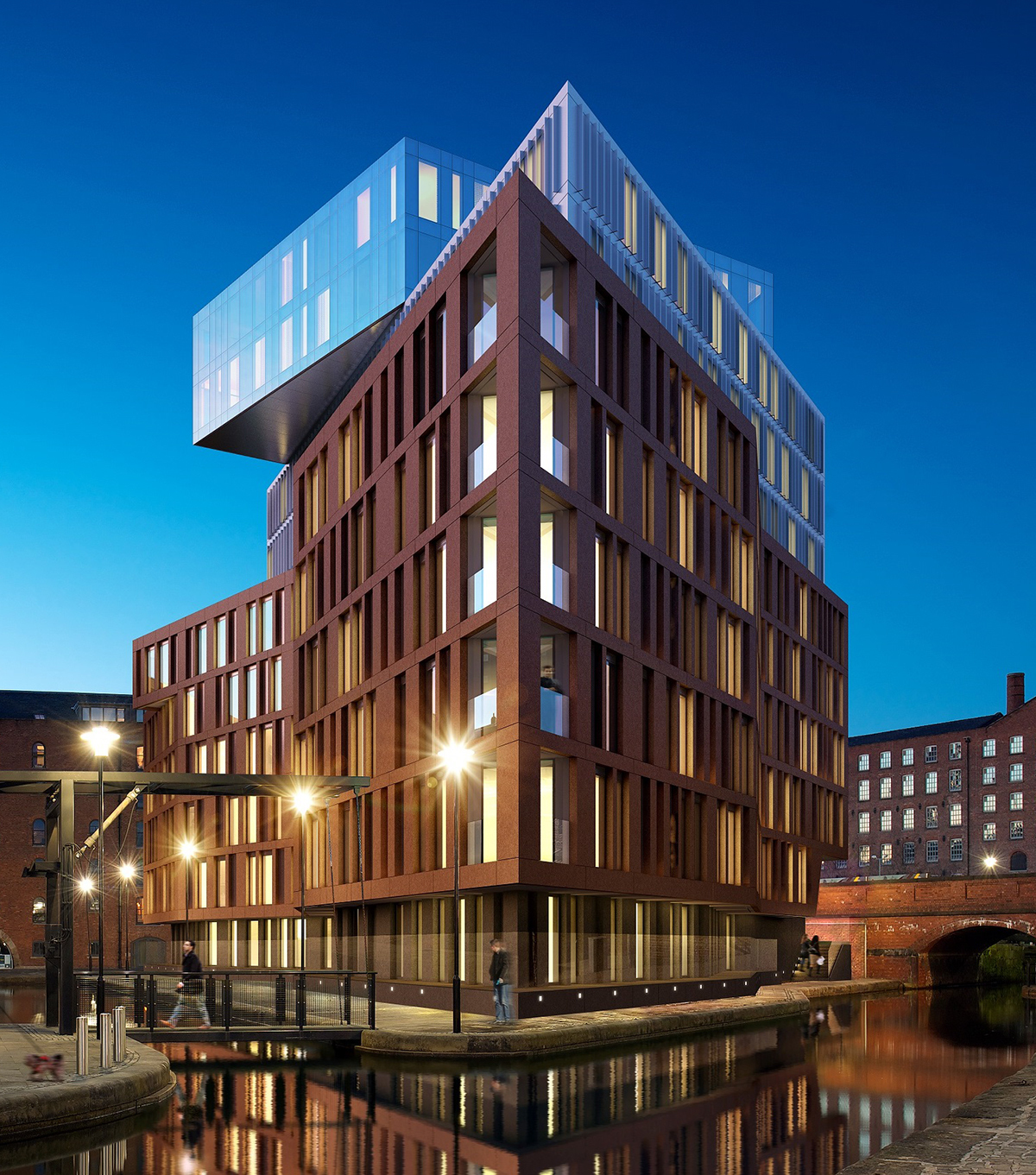
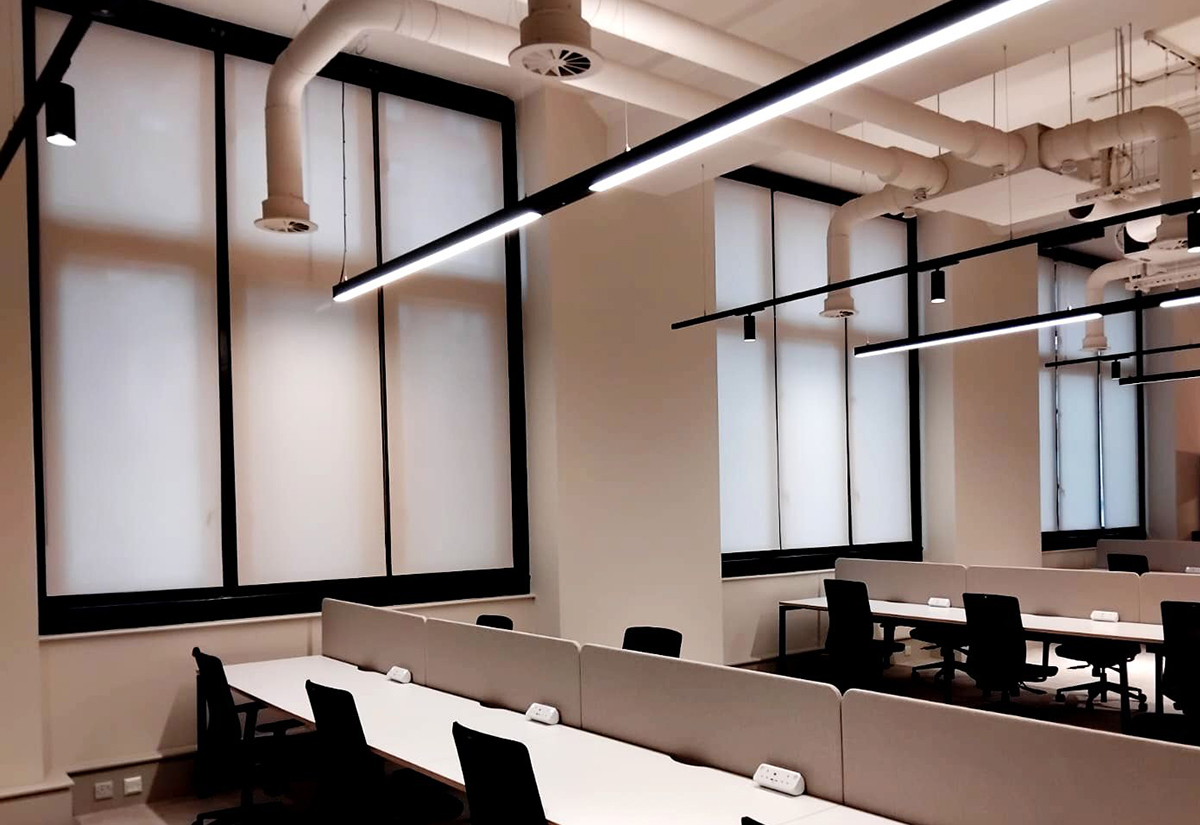
This comprehensive guide explores how the right commercial blind systems can transform your workplace energy performance whilst creating a more comfortable, productive environment for your team. We'll cover:
- The commercial energy challenge and why windows matter for operational costs
- How commercial blinds deliver measurable energy savings through multiple mechanisms
- Beyond energy: workplace productivity, glare control, and employee wellbeing benefits
- Smart automation and building management system integration for optimal performance
- Meeting UK building regulations including Part L, Part O, and BREEAM certification
- James Robertshaw's five commercial blind solutions and their ideal applications
- The business case: ROI calculations, payback periods, and long-term value
- Professional specification, installation, and ongoing performance support
Let's discover how strategic commercial blind investment delivers energy savings, regulatory compliance, and enhanced workplace environments that support both business success and employee satisfaction.
The commercial energy challenge: why your windows matter
UK commercial buildings consume approximately 40% of the nation's total energy, with office spaces alone accounting for a significant portion of this demand. Unlike residential properties, commercial buildings face unique pressures: extended operating hours, high occupancy densities, heat-generating equipment, and increasingly stringent Building Regulations. The financial impact is substantial. According to industry data, energy typically represents the largest controllable operating expense for commercial buildings after staffing costs.
The challenge intensifies when you consider the UK's climate volatility. British summers are growing hotter, with overheating in commercial buildings now recognised as a serious concern affecting employee health, productivity, and even public health outcomes. Conversely, our cold, damp winters demand effective heat retention strategies. This dual challenge requires solutions that perform year-round, not just seasonally.
Windows sit at the heart of this energy challenge. Unshaded glazing allows intense solar radiation to penetrate deep into workspaces, forcing air conditioning systems to work harder and longer. During winter months, poorly insulated windows become thermal weak points, allowing expensive heated air to escape. This is where commercial blinds prove their worth, not as decorative afterthoughts, but as engineered solutions designed to control energy flows through your building envelope.
How commercial blinds deliver energy savings
Understanding the mechanisms behind blind performance helps you make informed decisions about which systems will deliver the best results for your specific workplace needs. The energy-saving potential of commercial blinds operates through several key principles, each contributing to reduced consumption and lower operational costs.
Preventing solar heat gain
The most effective commercial blind systems intercept solar radiation before it reaches your windows. External roller blinds, positioned on the outside of your building, create a first line of defence against unwanted heat gain. By blocking sunlight before it penetrates the glass, these systems can reduce cooling loads by up to 80% compared to unshaded windows. This approach proves far more effective than internal shading alone, which traps heat between the blind and window.
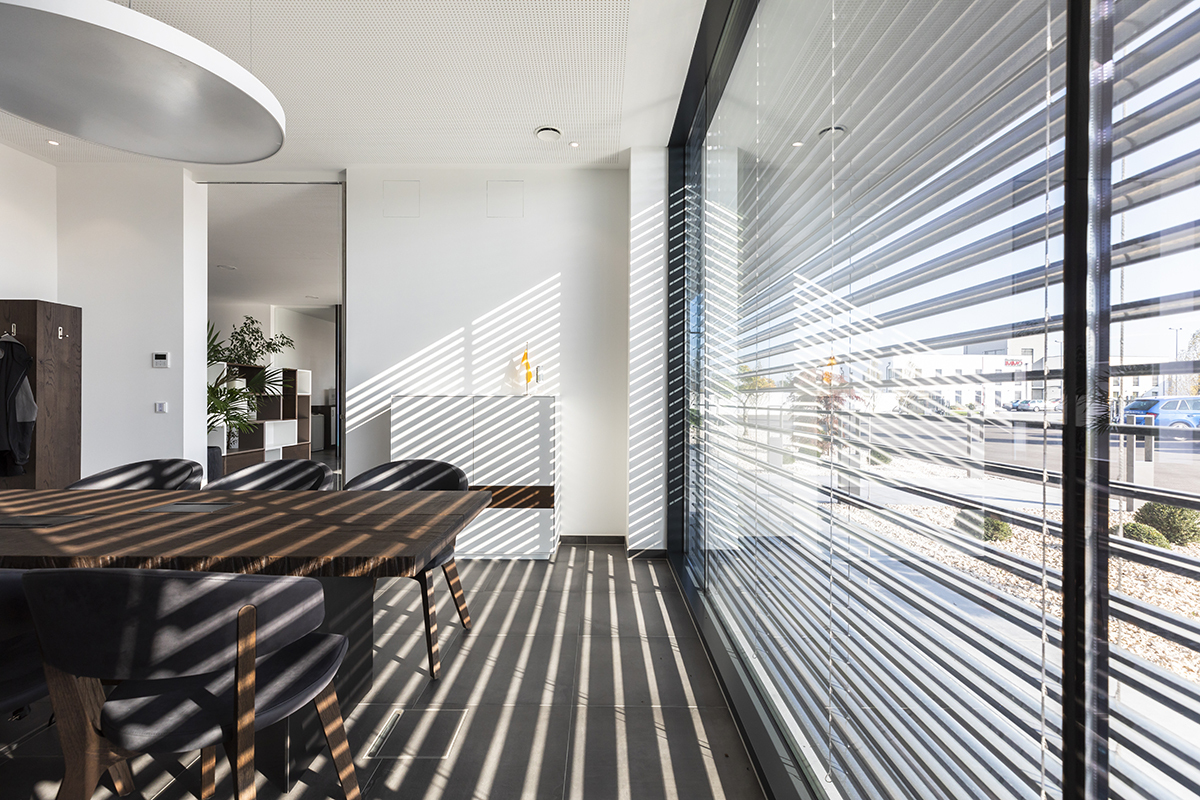
For offices requiring more nuanced control, external venetian blinds offer adjustable slats that allow you to precisely manage both light and heat. The ability to angle slats means you can block direct sunlight whilst still maintaining natural illumination and external views, a critical consideration for employee wellbeing and visual comfort. Research from the British Blind & Shutter Association indicates that external shading systems can reduce HVAC energy consumption by over 40% when deployed strategically.
Reducing winter heat loss
Energy efficiency isn't solely a summer concern. During colder months, your windows lose heat through conduction, convection, and radiation. Commercial blinds create an insulating air gap between the window and the occupied space, significantly reducing heat transfer. Indoor roller blinds with thermal fabrics prove particularly effective for this application, especially when fitted close to the window frame to minimise air circulation.
Studies conducted at the University of Salford's Energy House demonstrated that various blind types could reduce heat loss through modern double glazing by up to 33%. For older buildings with single glazing or poorly performing windows, this improvement becomes even more pronounced. The cumulative effect across an entire building translates directly into reduced heating demand and lower energy bills throughout the heating season.
Managing daylight to reduce artificial lighting
Natural light represents free illumination, yet uncontrolled daylight creates glare, screen reflection, and visual discomfort that forces employees to rely on artificial lighting even during bright days. High-quality commercial blinds allow you to harvest beneficial daylight whilst eliminating the problematic aspects. This balanced approach can reduce artificial lighting energy consumption by 30% or more, particularly in perimeter zones where daylight availability is highest.
Vertical louvre blinds offer excellent light management for large windows and glazed walls, allowing precise adjustment of natural light levels throughout the working day. Their vertical orientation makes them particularly suitable for controlling low-angle morning and evening sun, a common source of workplace glare and discomfort.
Beyond energy: workplace productivity and employee wellbeing
While energy savings provide the most quantifiable return on investment, the impact of commercial blinds extends far beyond utility bills. Creating comfortable, healthy workspaces directly influences employee productivity, satisfaction, and even retention. Forward-thinking businesses recognise that investing in Indoor Environmental Quality (IEQ) delivers substantial returns through enhanced human performance.
Controlling glare and visual comfort
Direct sunlight on computer screens frustrates employees and reduces productivity. Studies indicate that uncomfortable lighting conditions can decrease task performance by up to 15%, whilst visual discomfort contributes to headaches, eye strain, and fatigue. Commercial blinds that offer precise light control, such as external venetian blinds with adjustable slats, allow employees to maintain comfortable viewing conditions regardless of sun position or weather conditions.
The ability to preserve external views whilst controlling glare proves particularly important for employee wellbeing. Research consistently demonstrates that access to natural views reduces stress, improves mood, and enhances overall job satisfaction. Solutions that balance glare control with view retention deliver the best outcomes for occupant wellbeing.
Preventing overheating and thermal discomfort
Overheating in UK commercial buildings has escalated from an occasional summer nuisance to a recognised health and productivity concern. Approved Document Part O now mandates overheating assessments for new residential buildings, and similar awareness is growing in the commercial sector. Excessive indoor temperatures impair cognitive function, reduce concentration, and increase error rates.
For modern commercial buildings with extensive glazing, particularly those featuring atriums or roof lanterns, overheating risk intensifies dramatically. Skylight blinds specifically engineered for overhead glazing prove essential for managing solar gain from above. James Robertshaw's Eliminate® Skylight systems feature motorised operation, making them practical for hard-to-reach installations whilst ensuring consistent deployment throughout the day.
By maintaining stable, comfortable temperatures, commercial blinds reduce the physical stress on employees and create conditions that support sustained concentration and productivity. The cumulative effect on business performance can far exceed the direct energy cost savings.
Supporting occupant autonomy and satisfaction
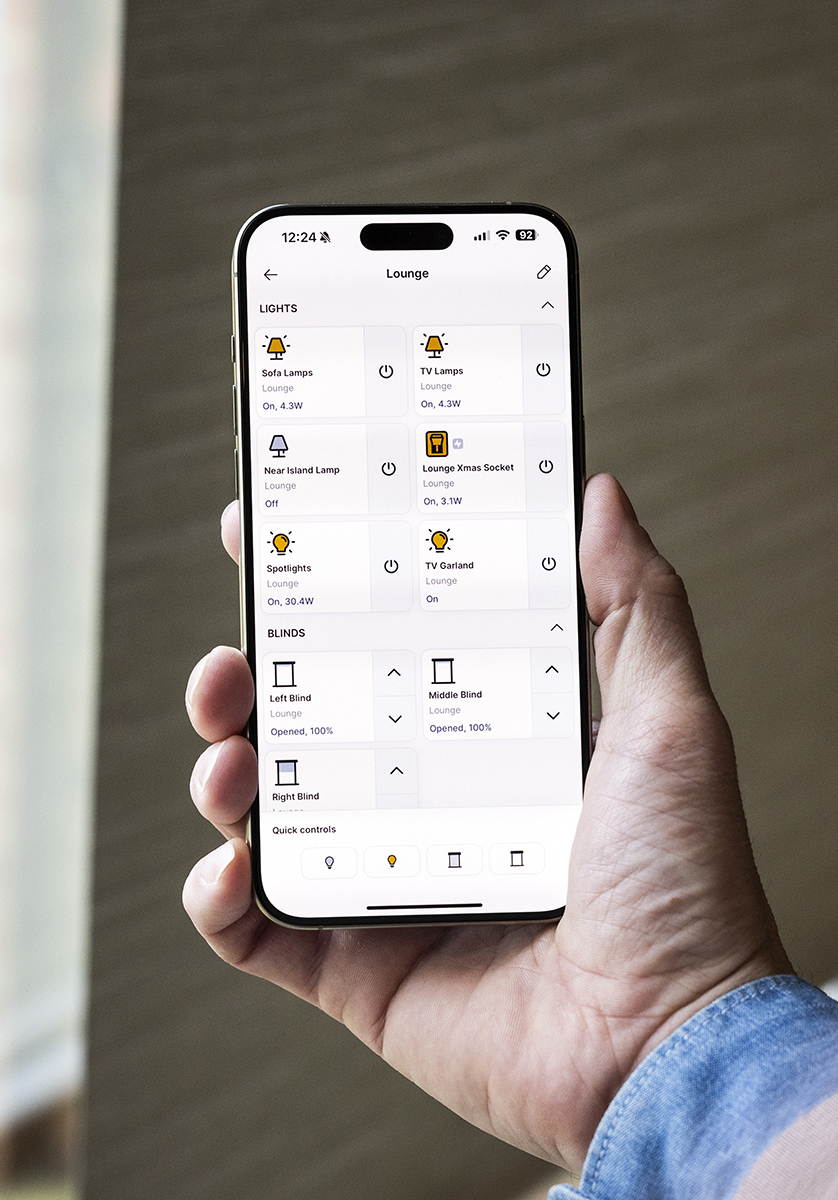
Giving employees some degree of control over their immediate environment significantly impacts satisfaction and perceived comfort. Commercial blinds that offer easy adjustment, whether through manual operation or smart controls accessible via smartphone apps, empower occupants to customize their workspace conditions. This sense of autonomy contributes to overall workplace satisfaction and can positively influence staff retention.
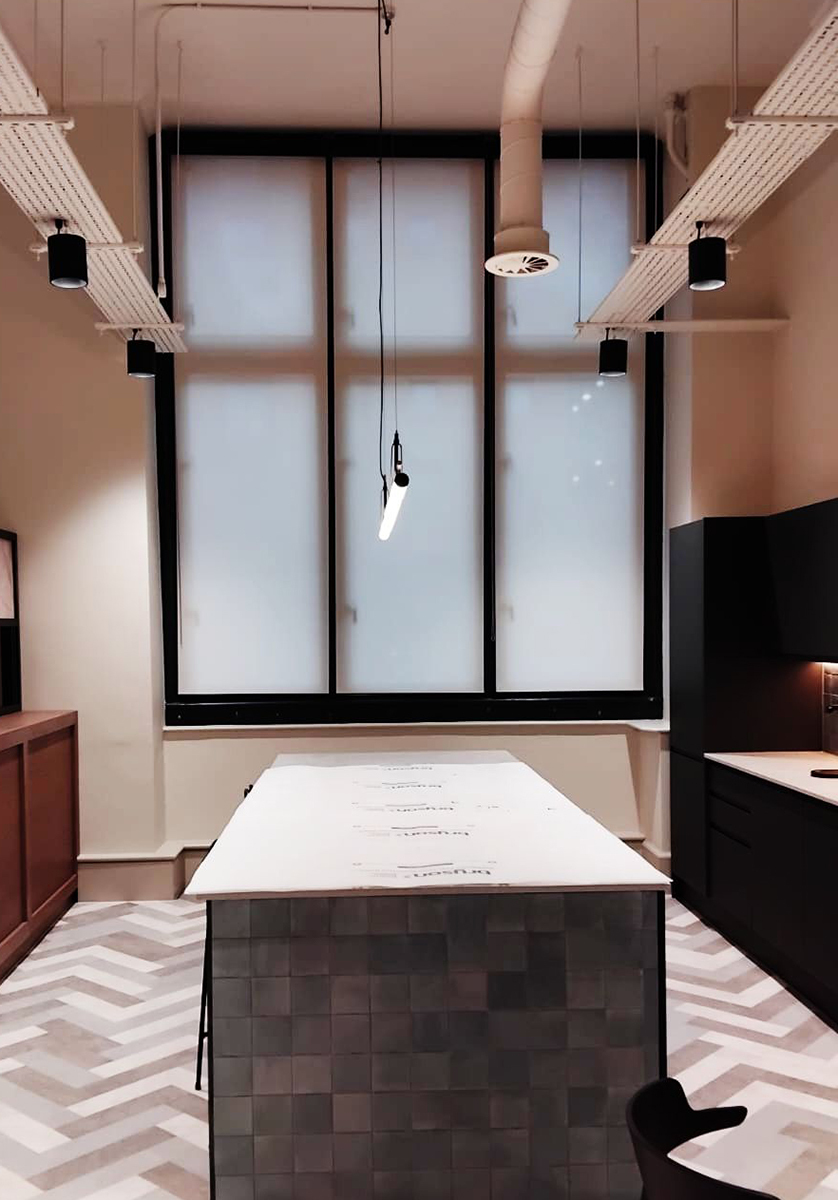
Smart automation: maximising performance through intelligent control
Manual operation of commercial blinds relies on occupant behaviour, which studies show is often inconsistent and suboptimal for energy performance. Employees may forget to close blinds during peak sun exposure or leave them closed unnecessarily, blocking beneficial daylight. Automated systems eliminate these inefficiencies whilst reducing the burden on building occupants.
Integration with building management systems
Modern commercial blinds from James Robertshaw can integrate seamlessly with existing Building Management Systems (BMS), allowing centralised control and optimisation across your entire property. Key benefits include:
- Sensor-driven deployment: Sun position sensors, internal temperature monitors, and light level detectors trigger blind deployment automatically, ensuring optimal performance without requiring occupant intervention
- Multi-zone coordination: South-facing offices receive morning shade whilst west-facing spaces get afternoon protection, with automated systems managing these varying needs simultaneously
- Building-wide optimisation: Centralised control enables energy performance optimisation across your entire property, rather than relying on individual occupant decisions
- Integration flexibility: Compatible with major BMS platforms, allowing your shading to work harmoniously with HVAC, lighting, and other building systems
Scheduled operation and adaptive control
Time-based scheduling ensures blinds deploy at appropriate times regardless of occupancy. External roller blinds can automatically extend before the building heats up in summer, preventing thermal buildup rather than reacting to it. During winter, blinds can close at sunset to provide overnight insulation, reducing heat loss during the coldest hours.
More sophisticated systems incorporate weather forecasting data, adjusting blind operation based on predicted conditions. This predictive approach maximises energy savings whilst maintaining optimal comfort conditions throughout the day.
Remote monitoring and maintenance alerts
Connected commercial blind systems provide facility managers with real-time performance data and maintenance alerts. Benefits include:
- Proactive maintenance: Receive alerts before minor issues become system failures, reducing downtime and repair costs
- Performance verification: Real-time data demonstrates ongoing efficiency gains, supporting sustainability reporting requirements
- Remote diagnostics: Facility managers can identify and address issues without site visits, saving time and resources
- Compliance documentation: Automated logging provides audit trails for service level agreements and regulatory reporting


Meeting UK building regulations and green building standards
UK building regulations increasingly recognise the critical role of solar shading in achieving energy efficiency and occupant comfort targets. For businesses pursuing green building certification or simply ensuring regulatory compliance, specifying appropriate commercial blinds has evolved from optional to essential.
Part L: Conservation of fuel and power
Part L of the Building Regulations mandates energy efficiency standards for new and refurbished buildings. Solar control forms a recognised strategy for meeting these requirements, particularly for buildings with significant glazing. High-performance commercial blinds contribute directly to Part L compliance by reducing both heating and cooling energy demand.
The effectiveness of shading is quantified through g-value calculations, which measure the total solar energy transmittance through glazing. External shading systems deliver the lowest g-values, providing the most effective solar control and strongest contribution to Part L compliance.
Part O: Overheating mitigation
Although primarily focused on residential buildings, Part O's overheating provisions signal regulatory direction for commercial spaces. External shading is explicitly recognised as a primary means of overheating mitigation. Forward-thinking commercial developers and property owners are already incorporating robust shading strategies to future-proof their buildings against increasingly stringent thermal comfort requirements.
BREEAM certification contributions
For projects pursuing BREEAM (Building Research Establishment Environmental Assessment Method) certification, commercial blinds contribute to multiple credit categories:
Health and Wellbeing (Hea)
- Visual comfort credits through glare control and daylight management
- Thermal comfort credits through overheating risk mitigation
- Enhanced indoor environmental quality supporting occupant wellbeing scores
Energy (Ene)
- Reduced energy consumption through passive solar control strategies
- Integration with energy-efficient building services and automation
- Measurable reductions in heating, cooling, and artificial lighting demand
Management (Man)
- Life cycle impact considerations for sustainable product specification
- Responsible sourcing credits when specifying quality, durable systems
- Operational performance documentation supporting ongoing certification
Well-specified commercial blind systems can meaningfully contribute to achieving higher BREEAM ratings, enhancing property value and marketability whilst demonstrating genuine commitment to sustainability.
Choosing the right commercial blind system for your workplace
Different commercial environments demand different shading solutions. Understanding your specific requirements ensures you specify systems that deliver optimal performance for your unique circumstances.
Our commercial blind solutions
At James Robertshaw, we offer five distinct commercial blind systems, each engineered to address specific workplace challenges. Here's how each solution can transform your commercial space:
External roller blinds
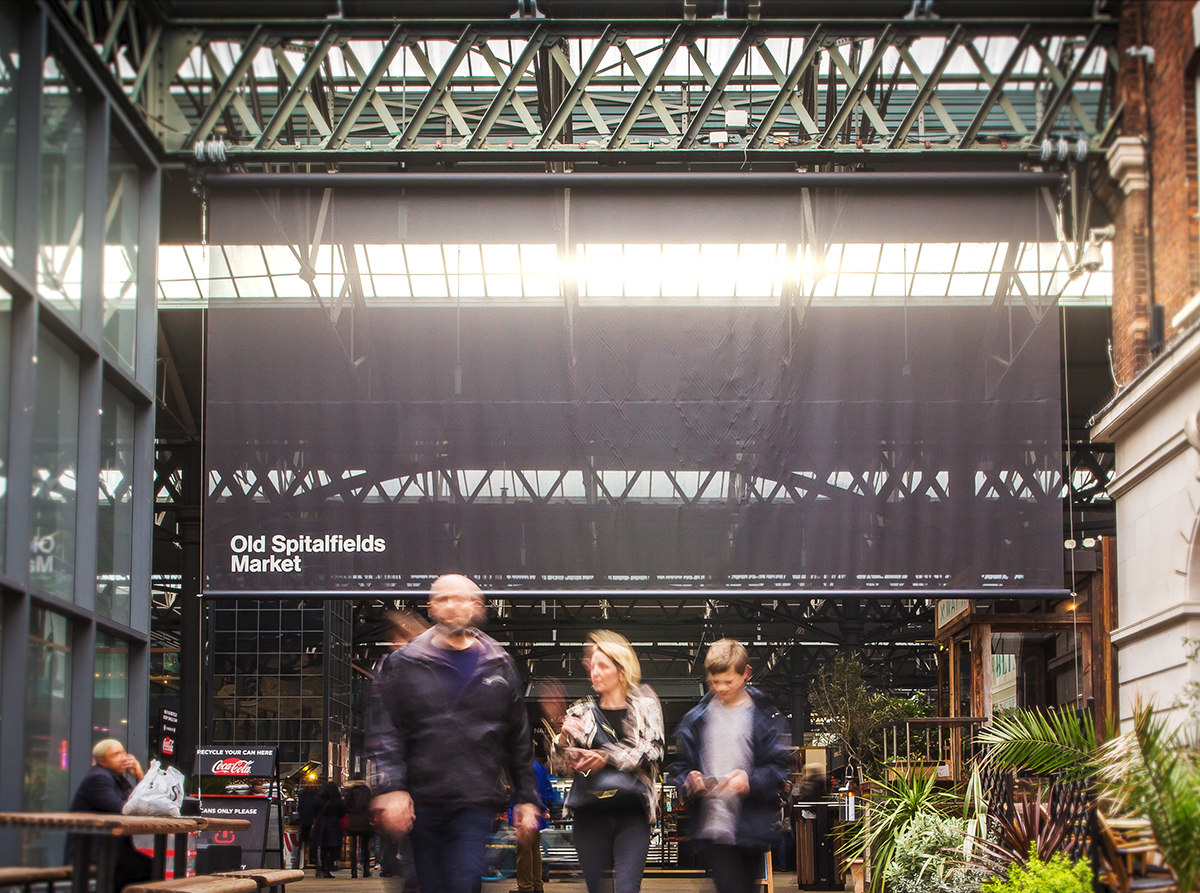
External roller blinds represent the most effective solution for preventing solar heat gain before it reaches your windows. Positioned on the exterior of your building, these robust systems block up to 80% of cooling loads, making them ideal for office buildings, retail spaces, and hospitality venues facing significant summer overheating challenges.
Commercial Outdoor blinds
Built for the UK climate, our external roller blinds feature fully waterproof construction and can span impressive dimensions, with installations up to 8.4 metres in width. They've been specified for Passivhaus certification projects, demonstrating their exceptional thermal performance.
Automated operation integrates seamlessly with building management systems, allowing scheduled deployment based on sun position, temperature, or manual override. Custom branding options make them particularly suitable for retail and hospitality environments where external appearance matters.
External venetian blinds
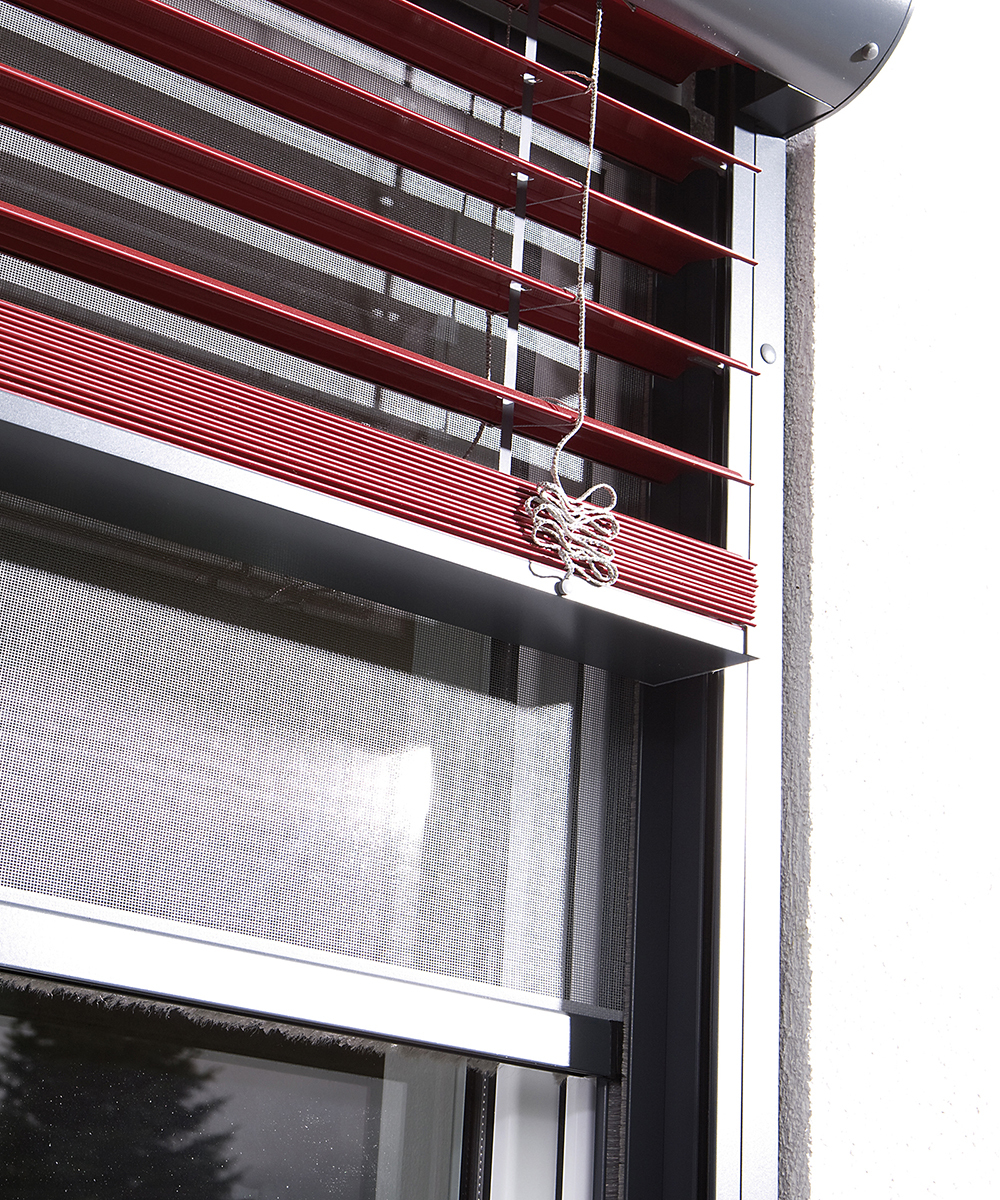
When your workspace requires precise light control whilst maintaining external views, external venetian blinds deliver unmatched versatility. The adjustable aluminium slats allow you to angle light exactly where you want it, eliminating glare on screens whilst preserving the connection to outdoors that employees value.
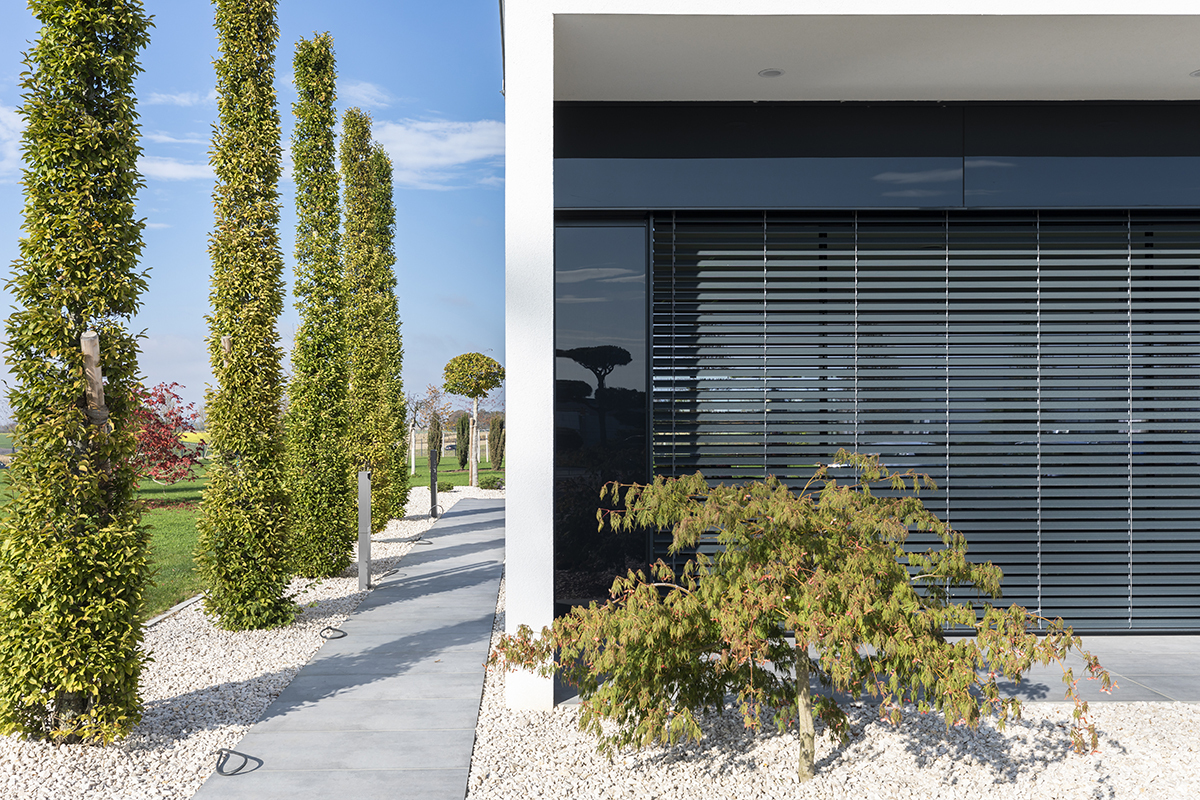
External venetian blinds
Available in over 30 colours, these systems suit corporate environments where brand consistency matters. The external positioning ensures superior solar control compared to internal systems, whilst the adjustability means you're never choosing between comfort and views.
Ideal for executive offices, meeting rooms, and any commercial space where visual comfort drives productivity. Weather-resistant construction ensures reliable year-round performance, and smart automation options allow integration with modern workplace technology.
Indoor roller blinds
For cost-conscious businesses seeking measurable energy improvements, indoor roller blinds offer exceptional value. These versatile systems deliver dual-season benefits, reducing heat loss in winter by up to 33% and controlling solar gain during summer months.
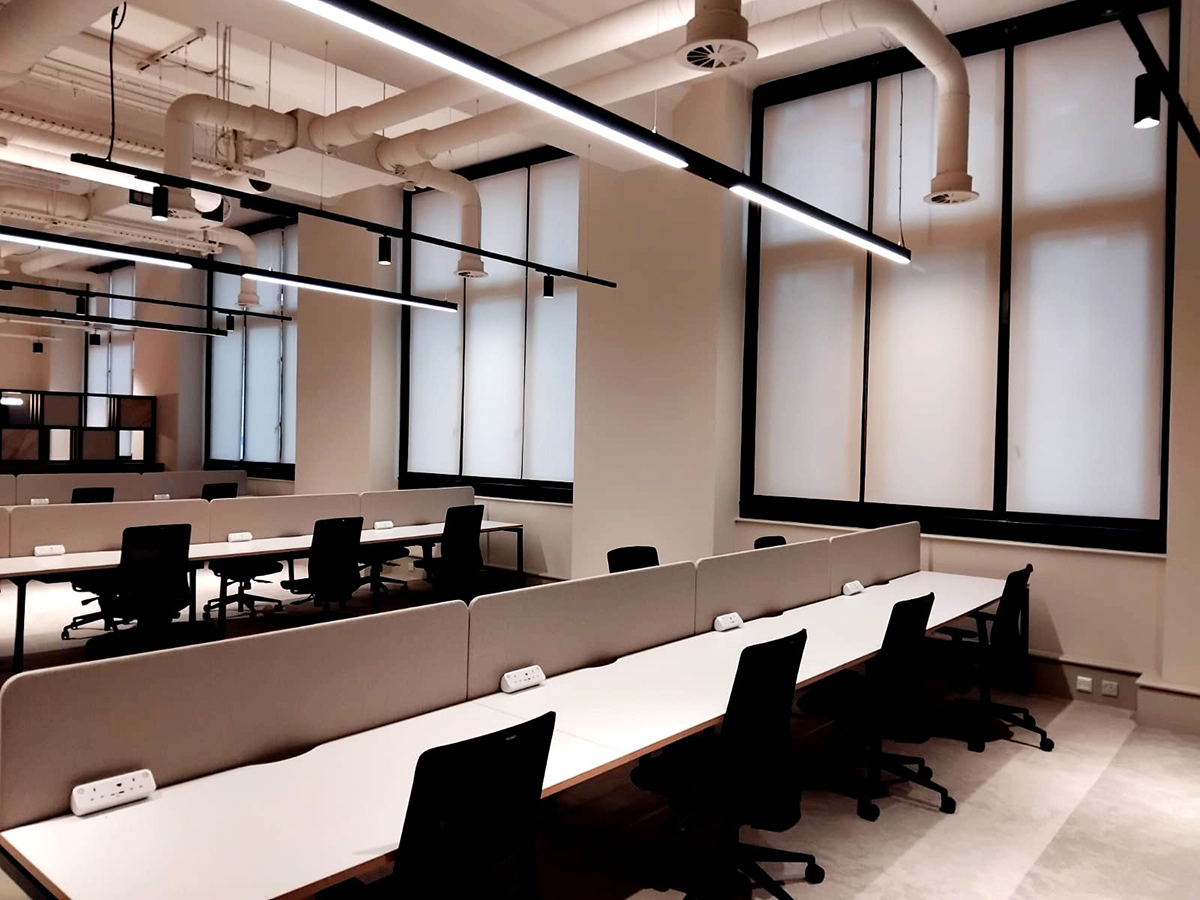
Indoor roller blinds
Thermal fabric options maximise insulation performance, whilst blackout variants suit meeting rooms, presentation spaces, and entertainment venues requiring complete light control. With hundreds of colours and custom branding capabilities, they integrate seamlessly into any commercial environment.
From general offices to warehouses, indoor roller blinds provide accessible energy efficiency that delivers rapid payback. Motorised operation adds convenience for hard-to-reach installations or spaces requiring scheduled light management throughout the working day.
Skylight blinds
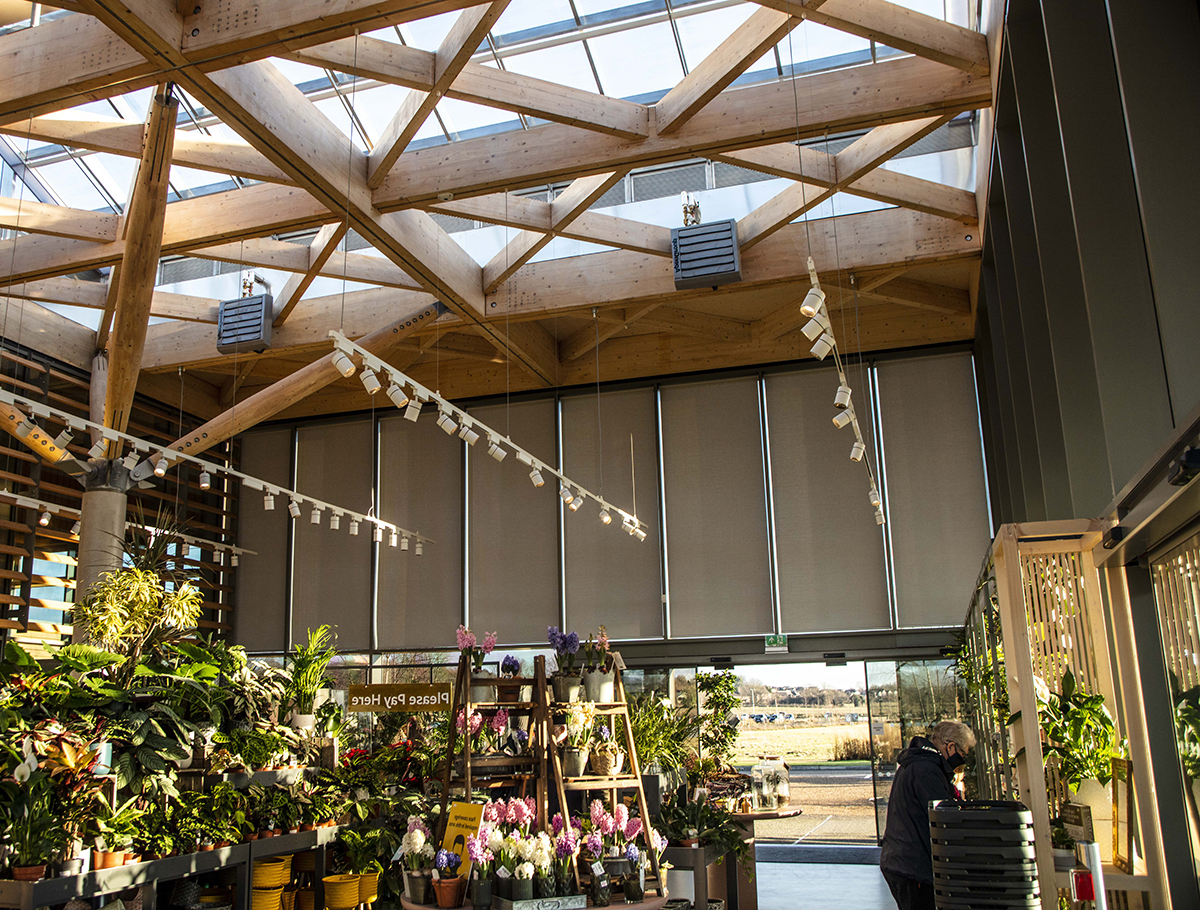
Modern commercial architecture increasingly features dramatic overhead glazing, creating stunning spaces that unfortunately become uncomfortably hot without proper shading. Skylight blinds solve this critical challenge, preventing overhead solar gain that conventional window blinds cannot address.
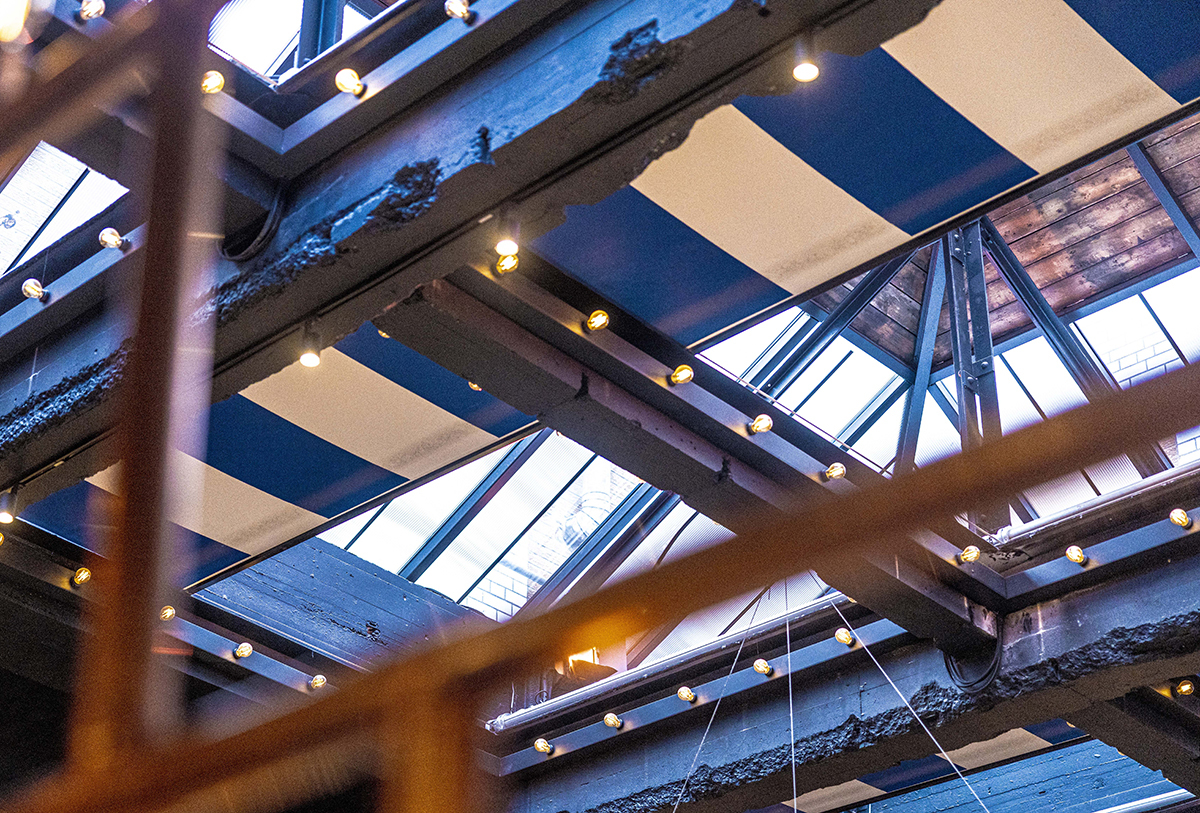
Skylight blinds
Our Eliminate® Skylight system features advanced tension technology that keeps fabrics taut even in large installations, ensuring a sleek, professional appearance. Motorized operation proves essential for hard-to-reach roof windows and skylights, whilst integrated controls allow scheduled deployment matching sun position throughout the day.
Perfect for atriums, reception areas with roof lanterns, and any commercial space featuring generous overhead glazing. Blackout options transform these systems into presentation room essentials, whilst discreet aesthetics ensure the architectural feature remains the focus.
Vertical louvre blinds
Healthcare facilities, education environments, and large-scale commercial developments require blind systems meeting stringent fire safety regulations whilst delivering reliable performance and easy maintenance. Vertical louvre blinds excel in these demanding applications.
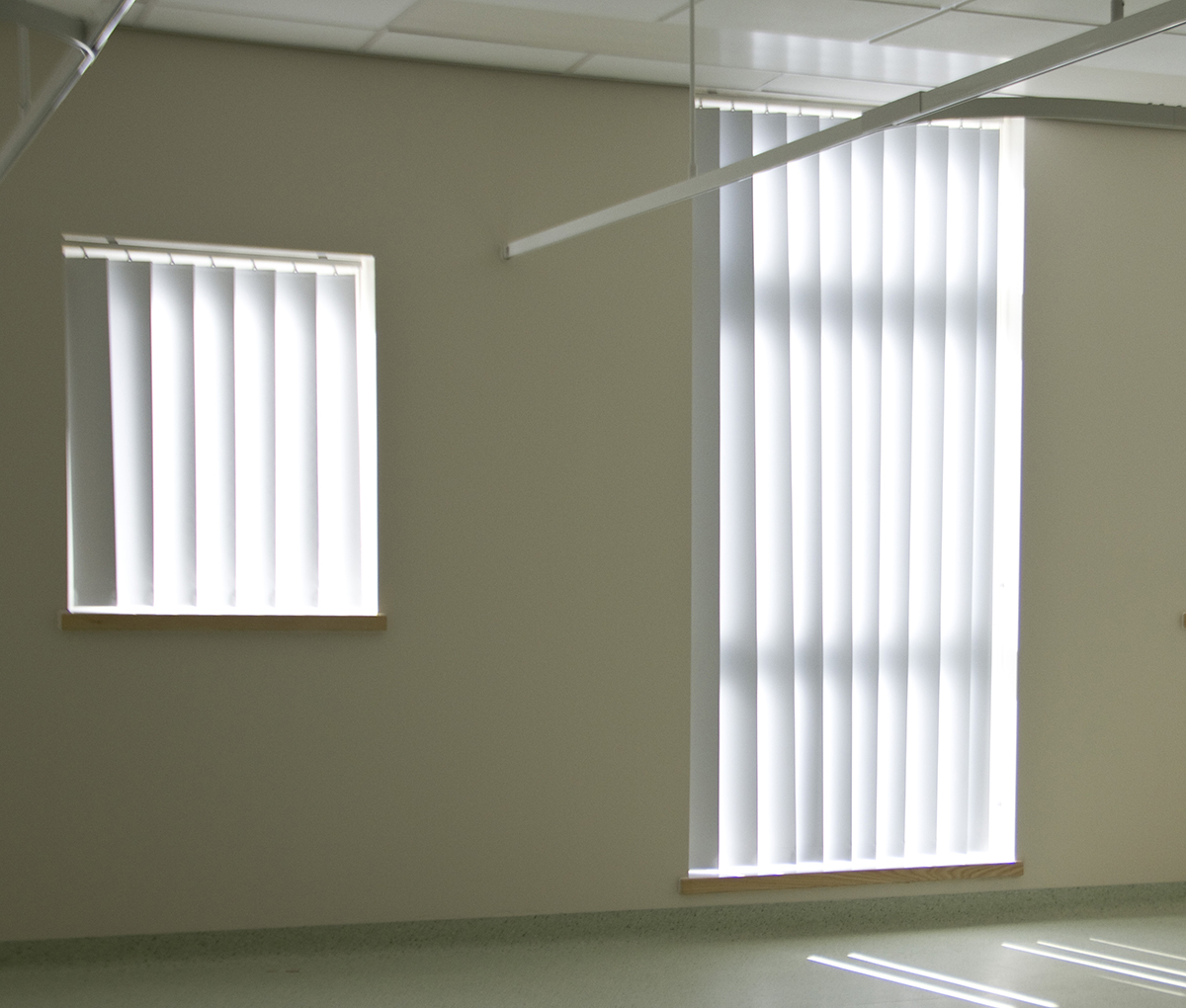
Commercial Vertical window blinds
Flame-retardant fabric options satisfy building regulations, whilst moisture-resistant variants suit clinical environments where hygiene matters. The vertical orientation minimises dust accumulation compared to horizontal systems, reducing maintenance demands.
Proven in large-scale installations including projects spanning 280+ units, these systems deliver consistent performance across extensive commercial properties. Ideal for spaces with bi-fold doors and large glazed walls, they retract completely out of the way when not needed. Precise light control supports visual comfort without sacrificing functionality.
Performance comparison: finding your ideal solution
Here's a comprehensive comparison of commercial blind types and their ideal applications:
Blind Type | Primary Energy Benefit | Best Commercial Applications | Key Features | Automation Available |
| External Roller Blinds | Blocks heat before glass penetration (highest efficiency, up to 80% cooling load reduction) | Office buildings, retail spaces, hospitality venues, any building with high cooling demands | Waterproof construction, large-scale capability (up to 8.4m width), Passivhaus certification support, custom branding options | Yes (full BMS integration, remote control, smart sensors) |
| External Venetian Blinds | Adjustable slat control for precise glare management whilst maintaining views | Executive offices, meeting rooms, corporate buildings where view retention is essential | Adjustable aluminium slats, 30+ colours for corporate branding, superior light control, weather-resistant construction | Yes (smart home integration, BMS compatibility) |
| Indoor Roller Blinds | Dual-season efficiency (winter heat retention up to 33%, summer heat gain reduction) | General offices, warehouses, entertainment venues, cost-conscious retrofits | Thermal fabric options, blackout capabilities, hundreds of colours, custom branding available, close window fit for maximum efficiency | Yes (motorised operation, scheduled control) |
| Skylight Blinds | Prevents overhead heat gain in glazed spaces (critical for buildings with significant roof glazing) | Atriums, reception areas with roof lanterns, modern architecture with overhead glazing, presentation rooms requiring blackout | Eliminate® system with tension technology, large-scale capability, motorised operation for hard-to-reach installations, discreet aesthetics | Yes (motorisation essential for access, integrated controls) |
| Vertical Louvre Blinds | Precise light control with minimal maintenance requirements | Healthcare facilities, education environments, large-scale residential developments, spaces with bi-fold doors | Flame retardant options for building regulations, moisture-resistant fabrics, low dust accumulation, proven for large projects (280+ unit installations) | Available for larger installations |
Application-specific considerations
Standard office environments: Indoor roller blinds with thermal fabrics offer excellent value, providing year-round efficiency improvements at accessible price points. For buildings with high cooling demands or south and west-facing glazing, upgrading to external roller blinds delivers maximum energy savings.
Executive spaces and meeting rooms: Where aesthetics and view retention matter equally to performance, external venetian blinds provide sophisticated solutions with precise light control. The ability to adjust slat angles means you can maintain external views whilst eliminating glare on screens and faces during video conferences.
Modern buildings with extensive glazing: Architectural trends toward glass-heavy designs create significant energy challenges. External roller blinds intercept solar radiation before it reaches these large glazed areas, preventing thermal buildup that would otherwise overwhelm HVAC systems. For buildings with atriums or roof lanterns, skylight blinds prove essential for managing overhead solar gain.
Healthcare and education facilities: These environments require solutions meeting stringent fire safety regulations whilst providing reliable light control and easy maintenance. Vertical louvre blinds with flame-retardant fabrics satisfy building regulations whilst offering moisture resistance and minimal dust accumulation, crucial considerations for clinical environments.
Retrofit projects on budget: For businesses seeking energy improvements without major capital investment, indoor roller blinds deliver measurable benefits at accessible costs. The dual-season efficiency gains provide year-round value, making payback periods attractive even for cost-conscious organisations.
The business case: ROI and long-term value
Energy efficiency investments must demonstrate clear financial returns. Fortunately, commercial blinds typically offer compelling payback periods whilst delivering benefits that extend well beyond direct energy savings.
Quantifying energy savings
A typical UK commercial office building consuming £50,000 annually in energy costs might allocate 40% (£20,000) to heating, cooling, and lighting. High-performance external shading reducing cooling demand by 40% and lighting demand by 25% could deliver annual savings of £4,000-£6,000. With installation costs for comprehensive commercial blind systems typically ranging from £10,000-£30,000 depending on building size and system specification, payback periods of 3-7 years are realistic.
These calculations become more favourable when incorporating productivity benefits. Research suggests that improved IEQ, including better thermal comfort and lighting conditions, can enhance productivity by 2-5%. For a 50-person office with average salaries of £35,000, even a 2% productivity improvement represents £35,000 in annual value, far exceeding direct energy savings.
Reducing HVAC strain and extending equipment life
By reducing cooling loads during summer and heating demands during winter, commercial blinds decrease the operational hours and intensity required from HVAC equipment. This reduced strain extends equipment lifespan and reduces maintenance requirements, delivering additional financial benefits beyond energy costs. For buildings approaching HVAC replacement cycles, effective shading may extend existing equipment life by several years, deferring substantial capital expenditure.
Property value and tenant appeal
Commercial properties demonstrating strong environmental performance increasingly command premium rents and higher capital values. EPC (Energy Performance Certificate) ratings directly influence property valuations, with higher-rated properties showing measurably stronger market performance. Well-specified commercial blind systems contribute to improved EPC ratings whilst providing visible evidence of sustainability commitment that appeals to environmentally conscious tenants.
For landlords, offering buildings with comprehensive shading solutions reduces tenant requests for additional air conditioning and demonstrates proactive attention to occupant comfort. This appeal translates into higher occupancy rates, longer lease terms, and reduced tenant turnover costs.
Future-proofing against regulatory tightening
UK building regulations continue tightening in response to net zero commitments. Buildings lacking effective solar control may face increasingly onerous retrofit requirements or higher operational costs as energy efficiency standards escalate. Investing in high-performance commercial blinds now positions your property ahead of regulatory curves, avoiding future retrofit disruption and ensuring continued compliance as standards evolve.
Professional installation and ongoing performance
The performance potential of commercial blinds is only realised through proper specification, installation, and maintenance. This is where working with experienced specialists proves essential.
Bespoke design and specification
Every commercial building presents unique challenges: different orientations, varying glazing specifications, specific occupant needs, and architectural constraints. At James Robertshaw, we combine over 160 years of manufacturing expertise with modern engineering to create bespoke commercial blind solutions tailored precisely to your building's requirements. Our team works closely with architects, facilities managers, and building owners to specify systems that deliver optimal performance whilst respecting aesthetic considerations and budget realities.
Expert installation for lasting reliability
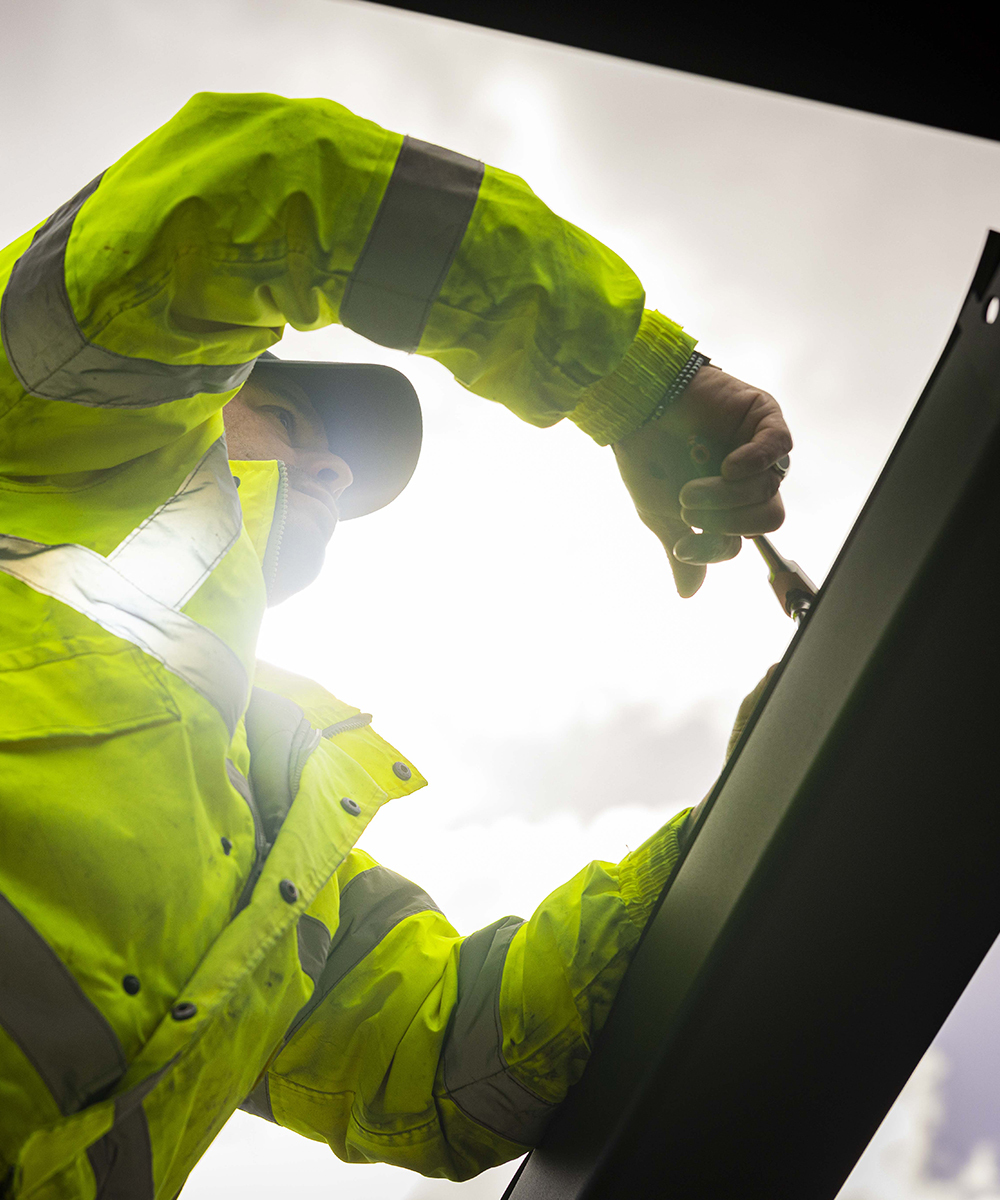
Commercial blind systems represent significant investments requiring professional installation to ensure longevity and performance. Our experienced installation teams understand the technical requirements of different system types, ensuring proper integration with building management systems, correct tensioning of fabrics, and weather-resistant sealing for external applications. Professional installation eliminates the common issues that compromise performance and void warranties when inexperienced contractors attempt complex installations.
Maintenance and support
Even the highest-quality commercial blind systems benefit from periodic maintenance to sustain optimal performance. We provide ongoing support including fabric cleaning, mechanical inspection, control system calibration, and component replacement when required. For commercial clients with service level agreements or planned preventative maintenance schedules, we offer tailored maintenance packages ensuring your shading infrastructure continues delivering the energy savings and comfort benefits you specified.
Your partner for high-performance commercial shading
Meeting the UK's ambitious energy efficiency targets whilst creating comfortable, productive workplaces requires proven solutions backed by genuine expertise. Commercial blinds, when properly specified and professionally installed, deliver measurable energy savings, enhanced employee wellbeing, and regulatory compliance, making them one of the most cost-effective building improvements available.
At James Robertshaw, we've spent over 160 years perfecting the craft of solar shading. Our comprehensive range of external roller blinds, external venetian blinds, indoor roller blinds, skylight blinds, and vertical louvre blinds addresses virtually any commercial application. Every system is engineered for the demanding UK climate, built for lasting reliability, and designed to integrate seamlessly with modern building automation.
Whether you're developing a new commercial property, undertaking a major refurbishment, or simply seeking cost-effective energy improvements for your existing workspace, we're ready to help you achieve your goals.
Ready to reduce your energy costs whilst creating a more comfortable workplace?
Contact our expert team today to discuss your specific requirements. We'll work with you to specify the optimal commercial blind solution for your building, providing detailed performance projections and transparent pricing. Discover how James Robertshaw's bespoke shading systems can deliver the energy savings, employee comfort, and sustainability credentials your business deserves.
Disclaimer: Energy savings potential varies based on building characteristics, glazing specifications, occupancy patterns, existing HVAC efficiency, and control strategies. Performance projections should be evaluated through appropriate modelling for specific projects. BREEAM contributions depend on overall project specification and assessment methodology. All figures cited represent indicative potential based on industry research and typical applications.