Understanding and Achieving the Minimum Energy Efficiency Standards (MEES) for UK Properties
What do the Minimum Energy Efficiency Standards mean for you? Whether you're a homeowner, landlord, or commercial property manager, MEES regulations are reshaping how buildings are assessed, upgraded, and rented in the UK. With stricter EPC rating requirements and financial penalties for non-compliance, understanding these standards is essential. This guide breaks down everything you need to know about MEES, from compliance requirements to penalties, energy efficiency upgrades, and how James Robertshaw products can help.
- Key deadlines and EPC requirements for homes and businesses
- Penalties for non-compliance and how enforcement works
- Practical upgrades to meet MEES standards, including window solutions
Let’s begin by looking at the main requirements for residential and commercial properties under the MEES.

What Are the Minimum Energy Efficiency Standards (MEES)?
The MEES apply to both residential and commercial properties, setting the minimum Energy Performance Certificate (EPC) rating for buildings that can be rented. They also apply, with slightly different standards, to new buildings.
Residential Properties
The Minimum Energy Efficiency Standards (MEES) for residential properties have been progressively tightening to improve energy performance in the rental sector. Since April 2020, all privately rented homes in England and Wales have required an EPC rating of at least E, marking the baseline for compliance. However, this is set to change significantly. From April 2025, new tenancies will require an EPC rating of C or higher, reflecting the government’s push for greater energy efficiency.
By 2030, all rental properties must achieve at least a C rating, regardless of tenancy status. These changes aim to reduce carbon emissions, lower tenant energy bills, and create more sustainable housing stock. Landlords must balance the costs of improvements, capped at £3,500 per property, with the risk of penalties of up to £5,000 for non-compliance.
Commercial Properties
For commercial landlords, the MEES have introduced even stricter timelines and penalties. Since April 2023, it has been illegal to let commercial properties with an EPC rating below E. By 2027, the minimum requirement will increase to C, with the government targeting a B rating by 2030. These changes highlight the growing emphasis on energy efficiency within the non-domestic sector, which accounts for a significant portion of the UK’s carbon emissions.
Failure to comply could result in fines of up to £150,000, making early action essential. Upgrades such as HVAC modernisation, roof insulation, and energy-efficient lighting are common solutions to improve EPC ratings, while exemptions—such as the 7-year payback rule—provide some flexibility for high-cost improvements. These updates aim to align the commercial property market with the UK’s broader sustainability goals.
Non-compliance carries hefty penalties. Residential landlords can face fines of up to £5,000, while commercial property owners risk penalties of up to £150,000, depending on the rateable value of the property.
| Requirement | Residential Properties | Commercial Properties |
| Current EPC Rating Requirement | E (since April 2020) | E (since April 2023) |
| 2025 EPC Rating Deadline | C for new tenancies | C for all properties |
| 2030 EPC Rating Deadline | C for all properties | B for all properties |
| Maximum Penalty for Non-Compliance | £5,000 | £150,000 |
| Key Exemptions | High costs, tenant consent issues, or structural impact | 7-year payback rule, high-cost improvements, or planning restrictions |
| Energy Efficiency Upgrades Suggested | Loft insulation, wall insulation, double glazing, efficient boilers | HVAC upgrades, roof insulation, LED lighting, solar shading |
Decoding EPC Ratings and Their Importance
An EPC rates a property’s energy efficiency on a scale from A (most efficient) to G (least efficient). These ratings are based on the Standard Assessment Procedure (SAP), which calculates energy use, running costs, and environmental impact.
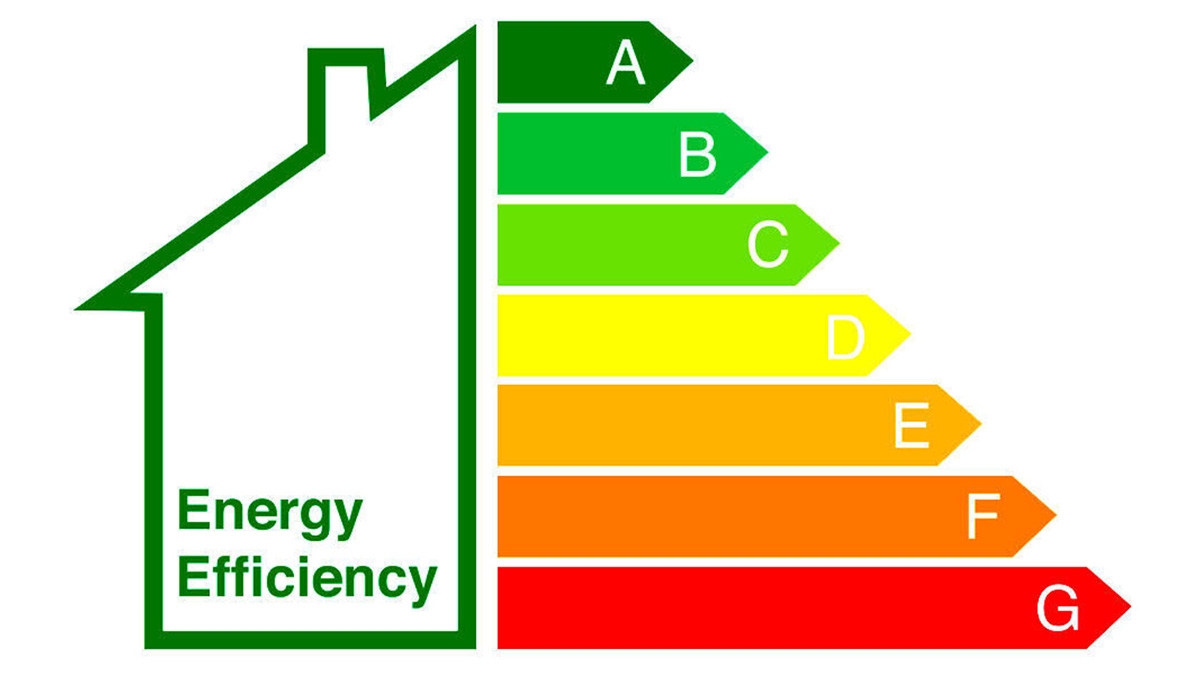
What Does an EPC C Rating Require?
A property rated C typically includes:
- Insulation: Loft, cavity wall, or floor insulation to reduce heat loss.
- Double or triple glazing: Modern windows that minimise draughts and retain heat.
- Efficient heating: A modern boiler, heat pump, or central heating system with controls to optimise usage.
- Low-energy lighting: LED lights throughout the property.
- Basic draught-proofing: Sealing gaps around windows and doors.
Achieving this rating often requires a combination of upgrades. For instance, adding insulation may boost a D-rated property to C, but inefficient heating systems or single-glazed windows can still drag it down.
Key Notes:
- Heating Costs: Homes with better EPC ratings use far less energy for heating, often leveraging renewable sources or heat pumps, which are more cost-effective over time.
- Energy Consumption: A-rated homes consume a fraction of the energy compared to E-rated properties, sometimes as low as 25-30% of the total energy use of lower-rated homes.
- Regional Variations: Energy costs may vary depending on electricity and gas tariffs, which differ across the UK.
How This Relates to MEES:
Achieving a C rating from a lower rating like D or E often means significant cost savings. For example, moving from E to C could save a household up to £1,000 per year on energy bills. This quantification helps landlords and homeowners justify the investment in energy efficiency upgrades, including products like blackout blinds and external shading solutions to reduce heating and cooling demands.
How Are EPC Ratings Calculated?
EPC assessments use the SAP methodology to evaluate a property’s energy efficiency. Key factors include:
- Construction Materials: The thermal properties of walls, roofs, and floors.
- Heating and Ventilation Systems: Efficiency of boilers, radiators, and ventilation systems.
- Windows and Solar Gains: Glazing type, orientation, and how much sunlight contributes to heating.
- Lighting: Proportion of energy-efficient light fittings.
- Renewable Energy: Solar panels, heat pumps, or other sustainable technologies.
For example, properties with large south-facing windows may score well on solar gains, especially if the glazing has a high g-value (solar energy transmittance). However, if these windows lack shading, the property may overheat in summer, reducing its overall energy performance.
How MEES Regulations Affect Property Owners
Compliance with MEES requires property owners to evaluate their current EPC ratings and make necessary upgrades. Key responsibilities include:
- Identifying sub-standard properties: Check EPCs to ensure no ratings are below the required threshold.
- Budgeting for improvements: Residential landlords have a £3,500 cap on improvement costs, but this doesn’t always cover major upgrades like new heating systems or extensive insulation.
- Registering exemptions: Landlords may qualify for exemptions if improvements are impractical, prohibitively expensive, or require tenant consent that isn’t granted.
For commercial landlords, future-proofing is critical. Meeting 2027’s C rating or 2030’s B rating may involve significant investment in energy-saving measures.
Compliance and Penalties Under the MEES Regulations
Ensuring compliance with the Minimum Energy Efficiency Standards (MEES) is a legal obligation for landlords, enforced by Local Weights and Measures Authorities (LWMAs). Non-compliance can lead to civil penalties, reputational damage, and financial consequences. Here’s a closer look at how enforcement works and the penalties landlords may face.
Enforcement Mechanisms
The MEES regulations are primarily enforced by LWMAs, who monitor and investigate potential breaches. Local authorities have the power to:
- Issue compliance notices: If there is evidence that a landlord has failed to meet their obligations, a compliance notice may be served. This notice typically requests documentation, such as the property’s Energy Performance Certificate (EPC), lease details, or evidence of exemptions.
- Impose financial penalties: If non-compliance is confirmed, landlords face civil penalties determined by the property’s rateable value.
Penalties for Non-Compliance
Penalties for breaching MEES regulations can vary depending on the severity and duration of non-compliance:
- Residential Properties: Financial penalties can reach up to £5,000 per property.
- Commercial Properties: Penalties are more significant, with fines of up to £150,000, reflecting the higher energy demands and rateable values of commercial spaces.
Local authorities may also publish details of breaches, potentially causing reputational harm to landlords who fail to comply.
Key Obligations for Landlords
To avoid penalties, landlords must:
- Ensure the property meets or exceeds the minimum EPC rating required by MEES regulations.
- Maintain accurate and up-to-date documentation, including EPCs and exemption records.
- Register valid exemptions (e.g., where improvements exceed cost caps or require third-party consent).
Challenges in Enforcement
While local authorities have the legal framework to enforce MEES, reports suggest enforcement has been inconsistent. Budget constraints and the scale of monitoring required have limited active enforcement in some regions. However, as stricter standards (e.g., EPC C by 2025) approach, enforcement is likely to intensify.
Proactive Compliance: Benefits Beyond Avoiding Penalties
Beyond legal compliance, upgrading properties to meet MEES standards offers financial and environmental benefits. Improved EPC ratings can:
- Attract higher-quality tenants.
- Reduce energy bills and operational costs.
- Future-proof properties against rising standards.
Understanding your obligations and taking proactive steps to meet MEES standards is the best way to avoid penalties and enhance your property’s value.
James Robertshaw’s Role in MEES Compliance
James Robertshaw’s products play a critical role in helping properties achieve and exceed MEES standards. Beyond aesthetics, these solutions actively contribute to energy efficiency.
Blackout Blinds
Custom-fitted blackout blinds reduce heat loss through windows, adding an insulating layer to improve thermal performance. Paired with side channels, these blinds seal light gaps, preventing drafts and maintaining consistent indoor temperatures.


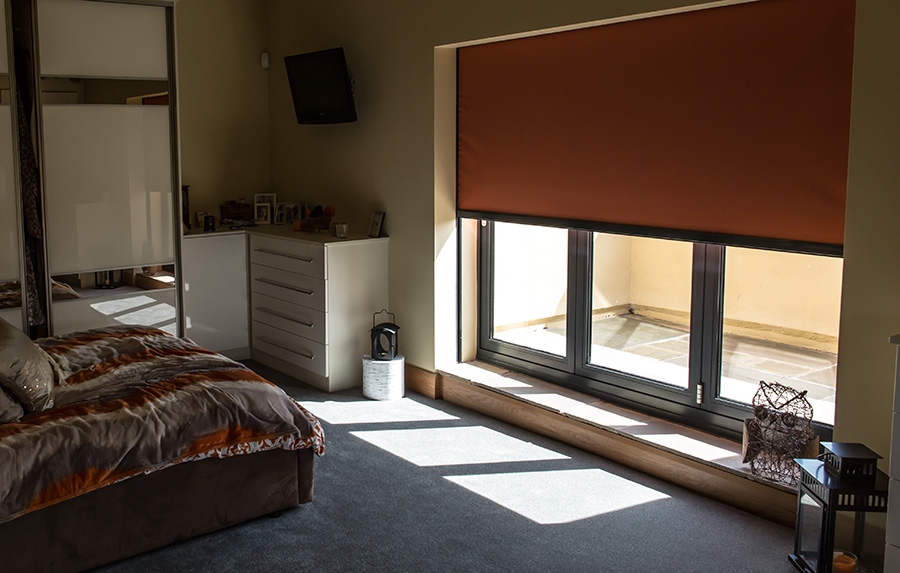
For example, a homeowner with a D-rated property could install blackout blinds with insulated side channels to reduce heating demand in winter, potentially improving their EPC score.
External Blinds and Awnings
Outdoor shading solutions are particularly effective for preventing solar heat gain in summer. By blocking direct sunlight before it enters the building, these products reduce cooling loads, which is especially beneficial for properties with large glazed areas.
For commercial properties, external blinds can be paired with smart sensors to adjust automatically based on sunlight levels, maximising energy savings.
Smart Automation
Automated blinds integrate with modern home and building management systems, providing optimised control over light and heat. Features like scheduling and remote operation allow property owners to maximise efficiency without manual intervention.
Imagine a landlord managing multiple rental units: automated blinds can be programmed to adjust daily, reducing energy waste and ensuring consistent shading throughout the property.
Futureproofing for 2025, 2027, and Beyond
Preparing for upcoming MEES deadlines requires proactive planning. For landlords:
- Homes: Focus on insulation, glazing, and heating upgrades. Consider blackout blinds for improved thermal insulation.
- Commercial properties: Invest in outdoor shading to tackle solar heat gain and integrate smart systems for dynamic energy control.
For businesses, James Robertshaw offers scalable solutions tailored to large office spaces or retail environments. These products enhance energy performance while maintaining aesthetic appeal.
Real-World Examples of Energy Efficiency Upgrades
Energy efficiency improvements often involve multiple steps to address insulation, heating, lighting, and other factors. James Robertshaw’s shading solutions complement these upgrades, enhancing their effectiveness within a comprehensive strategy. Here are some practical examples:
Example 1: Upgrading a Victorian Terraced Home
A landlord of a Victorian terraced property starts with fundamental improvements to boost the property’s EPC rating:
- Loft Insulation: Adds 270mm of mineral wool insulation to reduce heat loss through the roof.
- Wall Improvements: Applies internal wall insulation to minimise heat transfer through solid walls.
- Double Glazing: Replaces single-pane windows with modern double-glazed units.


Once these core measures are in place, James Robertshaw’s blackout blinds with side channels are installed on all windows. These blinds eliminate drafts and seal gaps around the glazing, improving thermal retention. This combination of insulation and advanced shading boosts the property’s EPC rating from E to C, meeting the 2025 requirement for new tenancies.
Example 2: Retrofitting a Detached Home with High Energy Bills
A homeowner of a detached 1980s property with an EPC rating of D addresses high energy costs with a staged retrofit:
- Heating System Replacement: Installed an air-source heat pump to replace an old gas boiler.
- Lighting Upgrades: Switches to LED bulbs throughout the house for greater efficiency.
- Solar Panels: Adds photovoltaic panels to the roof, reducing reliance on the grid.
After completing these structural improvements, external blinds from James Robertshaw are fitted on large south-facing windows. These blinds prevent solar overheating during the summer and reduce the load on the heat pump. Automated controls further optimise energy savings by adjusting shading based on sunlight levels. Combined, these measures elevate the property’s EPC rating to B, future-proofing it against the 2030 MEES standard.
Example 3: Renovating a Mixed-Use Commercial Property
The owner of a mixed-use building with retail space on the ground floor and flats above faces stricter commercial MEES requirements. Initial upgrades include:
- Roof Insulation: Improves thermal efficiency for both the retail and residential areas.
- HVAC System Modernisation: Installs a zoned heating, ventilation, and air conditioning system to improve energy management.
- Lighting Controls: Adds motion-sensor LED lighting to reduce electricity consumption in shared spaces.
James Robertshaw’s external awnings are added to the storefront windows, creating shade and preventing excessive heat gain that drives up cooling costs in summer. For the flats, blackout blinds are installed to improve privacy, reduce energy loss, and enhance tenant comfort. These measures collectively bring the building into compliance with both residential and commercial MEES requirements.


This holistic approach shows how James Robertshaw’s products amplify the impact of other energy efficiency measures, making them an integral part of achieving compliance and sustainability goals.
Conclusion
The MEES regulations are a call to action for landlords and businesses to improve energy efficiency, reduce costs, and future-proof their properties. With bespoke shading solutions, James Robertshaw provides practical, stylish, and effective tools to meet these goals.
Contact us today to explore how our products can help you navigate MEES compliance with confidence.